


If you’re considering using wool nappies for your little one, you’re likely aware of the many benefits they offer. They’re breathable, eco-friendly, and naturally antibacterial. However, they can be a bit tricky to keep clean when your baby’s faeces is still very liquid – whether it’s meconium in the early days or the liquid breastfeeding or formula baby poop that follows. Both types of stool can easily soil the wool, making it essential to protect your covers from contamination.
But don’t worry, we’re going to walk you through a few options to help keep your nappies as clean as possible. And of course we also have a few tips how to clean the wool effectively in case something goes wrong.
Choosing the right inserts and wool cover
When it comes to keeping liquid baby poop away from your wool covers, there are three main types of absorbent inserts to choose from: loose absorbent inserts, nappies wrapped directly around your baby, or so called fitted nappies. All strategies work well and you can tailor them to your baby’s needs. Let’s break down each option and explore how to use them.
But before we do that, a few words about the wool cover itself. A well-fitting wool cover is essential, no matter if you use loose inserts or fitted nappies. If the wool nappy isn’t snug enough, the stool can leak out the sides or back. Make sure the wool cover fits comfortably around the waist and legs, creating a good seal.
Using loose absorbent inserts
If you’re using loose absorbent inserts, the proper choice of inserts, and placement in the wool cover is key to preventing liquid baby poop from reaching it. Here’s how you can use the inserts to keep things neat:

1. Inserts suitable for newborns and infants
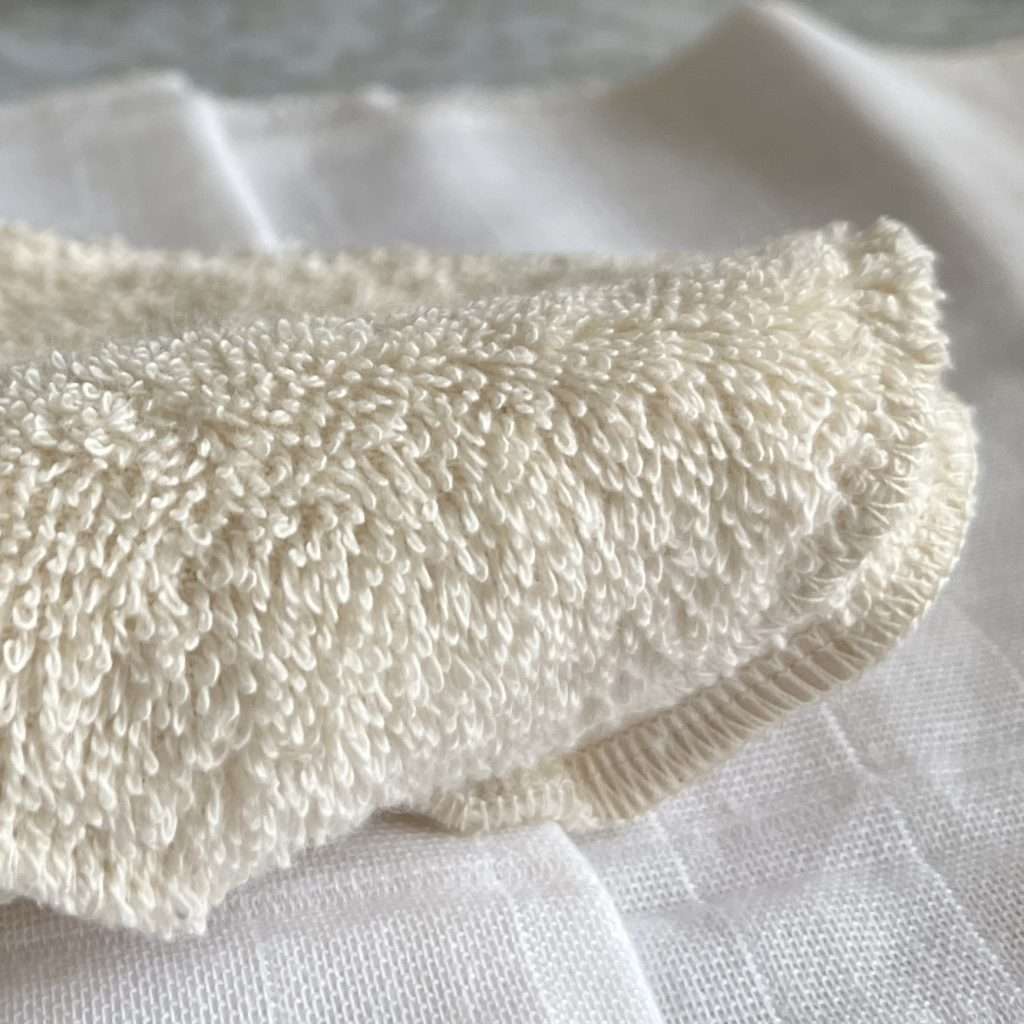
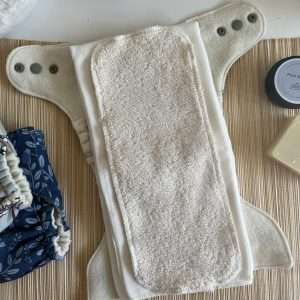
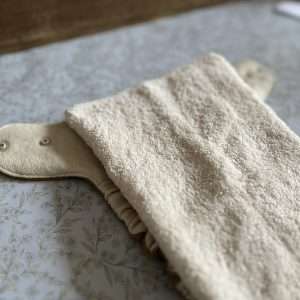
When the stool is still liquid, a high pile absorbent insert is best. The high pile structure ensures that the insert better retains the stool on its surface. Smooth fabrics allow faeces to flow more easily over the insert and onto the wool. Foldable inserts (so-called flats) made of terry cloth are particularly suitable because they protect the wool over the entire width.
You can also use a muslin nappy, fold it, and place it directly into the wool cover. Place a cotton liner on top in direct contact with the child. The liner is basically a narrow piece of terry cloth that has the same properties as the flat. Namely that the high-pile structure holds back liquid faeces better.
2. How to place the insert inside the wool cover
To keep the wool cover clean, fold the flat and place it inside the wool cover before wrapping the nappy around your baby. Make sure the flat (cotton flat or muslin nappy) reaches all the way to the leg and back elastic of the wool cover, so there’s no gap. When the baby has the nappy on, push the insert back a little if necessary, under the elastic band. Make sure that the cover nicely covers the fabric.
3. More frequent nappy changes are crucial
If the child moves a lot, the absorbent insert slides into the centre of the nappy by itself and the distance to the leg cuffs increases. This results in a greater risk of the wool being soiled. Furthermore, with newborns, urine tends to be frequent. If the inserts become too wet, there is a greater chance of liquid faeces spilling over and getting onto the wool cover. Regular nappy changes will help prevent that.
Wrapping a nappy around the baby
If you’d rather not use loose absorbent inserts, wrapping a muslin nappy or cotton flat directly around your baby can also do a great job of keeping liquid baby poop away from your wool cover. Here’s how to make it work:

1. Muslin nappy in triangle fold
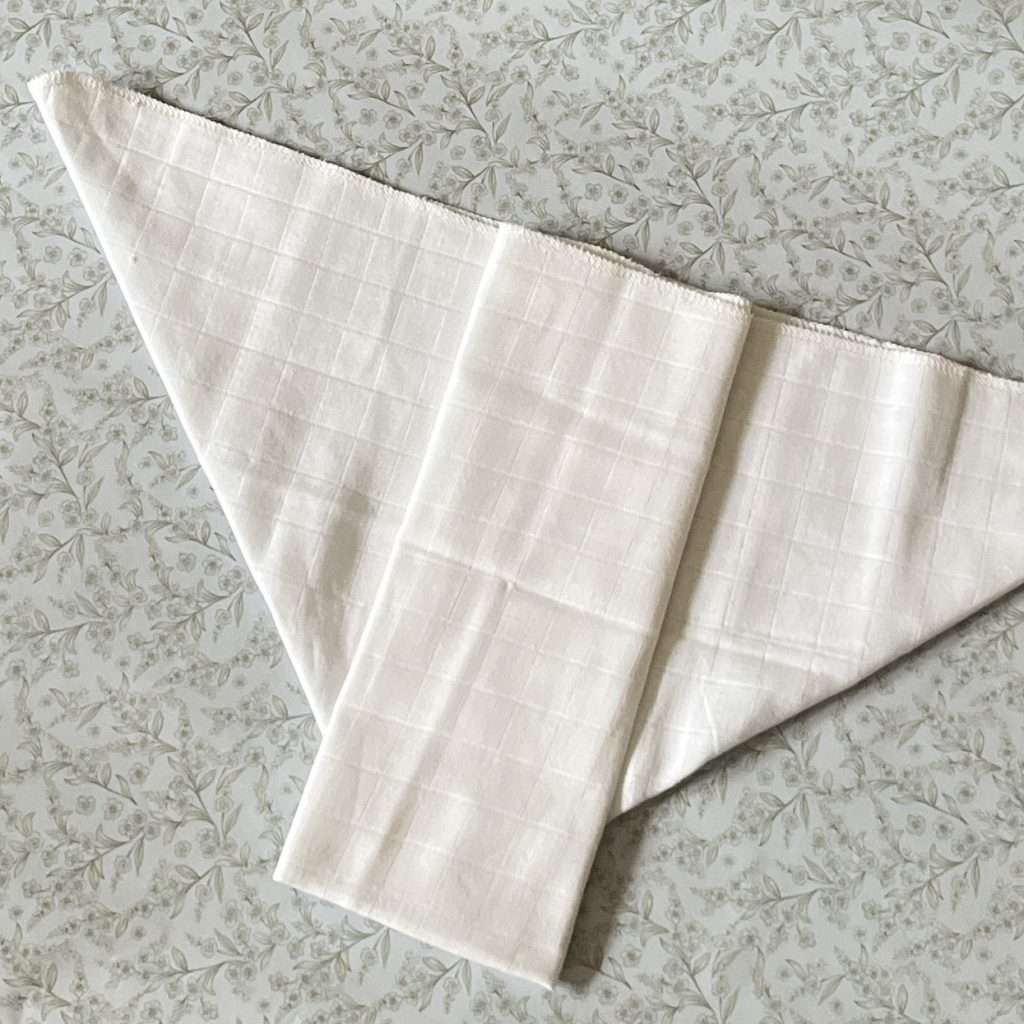
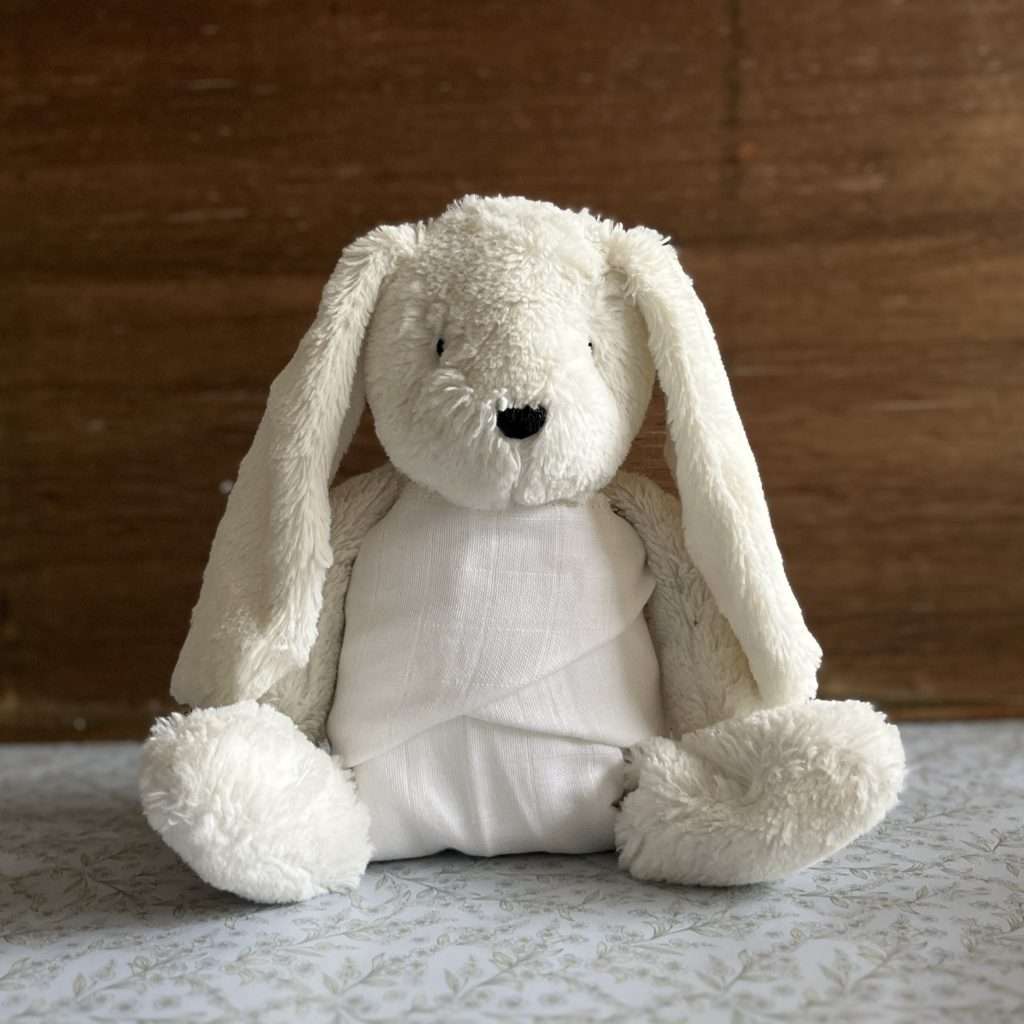
Muslin nappies are incredibly versatile and can be folded e.g., in a triangle fold to create a snug fit around your baby’s bottom. This fold helps to contain the liquid stool and prevent leaks, even if the stool is especially runny. The folding technique itself is designed to hold the stool inside the nappy, with the wool cover acting as a backup barrier. However, an even more secure option is to place a cotton liner insight the muslin nappy to utilise the advantageous properties of the high-pile structure. In addition, the fringes can be rolled up at the sides. This results in a kind of deepening that can hold the liquid baby poop even better inside the nappy.
2. Cotton flat as a nappy wrap
If you prefer something simple, a cotton flat made of terrycloth is another great option. Wrap it around your baby and secure it with a nappy fastener. The cotton flat offers solid absorbency, and as long as the wool cover fits snugly, it will keep any leaks contained. This method is especially useful for parents who want a minimalist approach without additional pre-folding of e.g., a muslin cloth.
However, this method is only suitable for newborn babies as the flat is not large enough to wrap around older babies.
The use of a fitted nappy
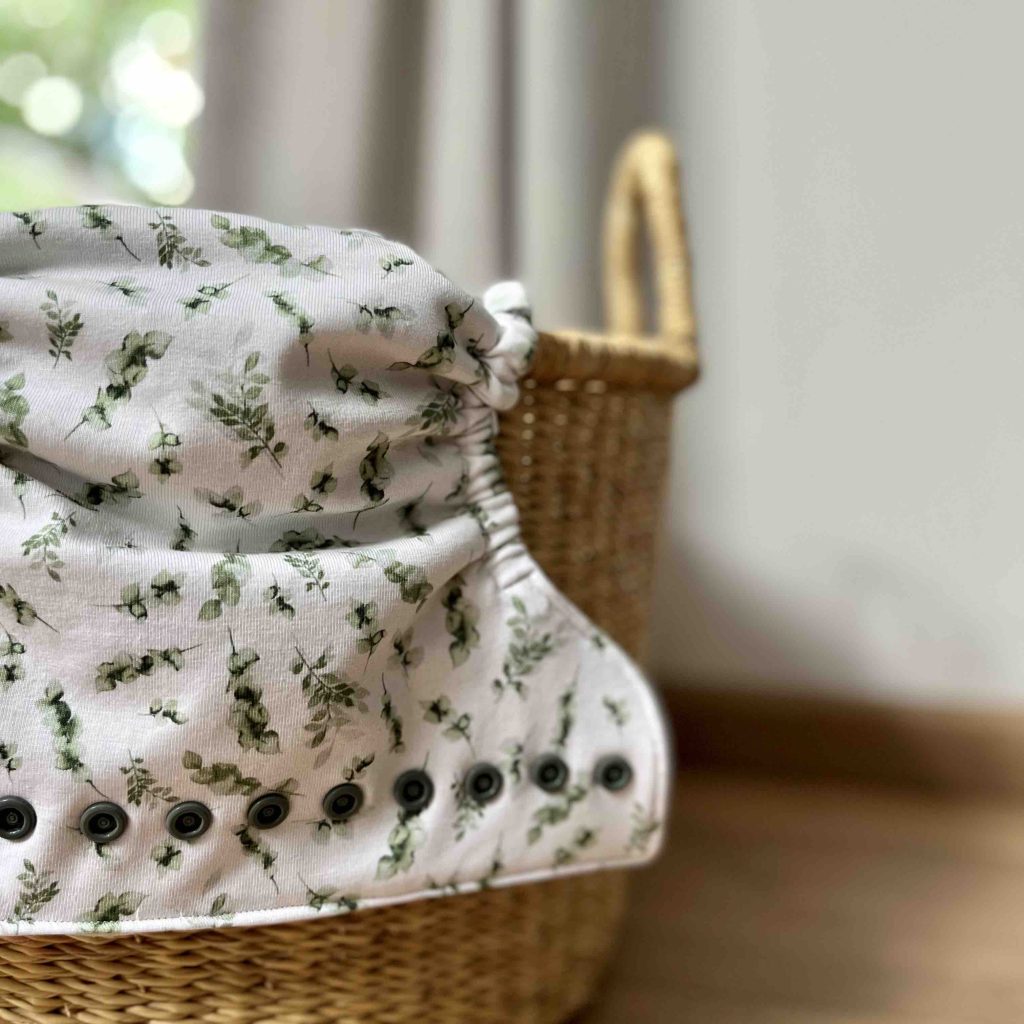
A fitted nappy is a cloth nappy with elasticised legs and waist, and adjustable fastenings, designed to offer a snug, secure fit. Its elasticised edges provide superior leak protection, ensuring that the baby’s poop stays insight the nappy.
To use fitted nappies, simply lay the nappy flat and place it under your baby. Fasten the nappy with the built-in snaps or Velcro, ensuring a snug fit around the waist and legs to prevent leaks. The elastic edges should sit comfortably without being too tight.
Oops, wool got dirty! Here’s how to clean and freshen it up
What if the wool gets dirty? Fortunately, breastfeeding and formula baby poop is water-soluble and can be easily removed if the wool does become soiled. Wash the wool immediately under running lukewarm water, using wool washing soap if necessary. The soap contains lanolin and washes and greases the wool at the same time. For more information on how to use the soap, see “All you need to know about lanolin soap“. This will get your nappy cover ready to use again quickly.
Discolouration that does not disappear even after thorough washing can also be treated with a simple trick. Here we utilise the bleaching power of the sun. It can work wonders and lighten stains that cannot be removed with soap. Place the wool nappy and/or insert in the sun with the soiled side up and leave it there for a few hours. Just be careful with the wool in midsummer when the sun is very strong. Of course, discolouration is not nice to look at, but the wool is clean and can be used. A little like fruit stains on clothing.
Conclusion: Protecting wool nappies from baby poop
In conclusion, while wool nappies can be a bit tricky when dealing with liquid baby poop, the right strategies make all the difference. Whether you’re using loose absorbent inserts, muslin folds, or fitted nappies, ensuring a snug fit and frequent changes will keep your wool covers protected. And don’t forget, when things get messy, a little bit of care and sunshine can restore your wool nappies to their best condition. With a bit of practice, you’ll find the routine that works for both you and your baby, keeping your wool nappies clean, functional, and ready for the next use.