


When it comes to caring for a newborn or toddler, one of the essential items in every parent’s arsenal is baby wipes. They’re used for everything from nappy changes to wiping dirty hands and faces. However, with the growing concern about sustainability, health, and cost-effectiveness, many parents are now turning to reusable baby wipes as an alternative to traditional disposable wipes. But are they really a better choice? In this post, we’ll explore the differences between reusable and disposable baby wipes.
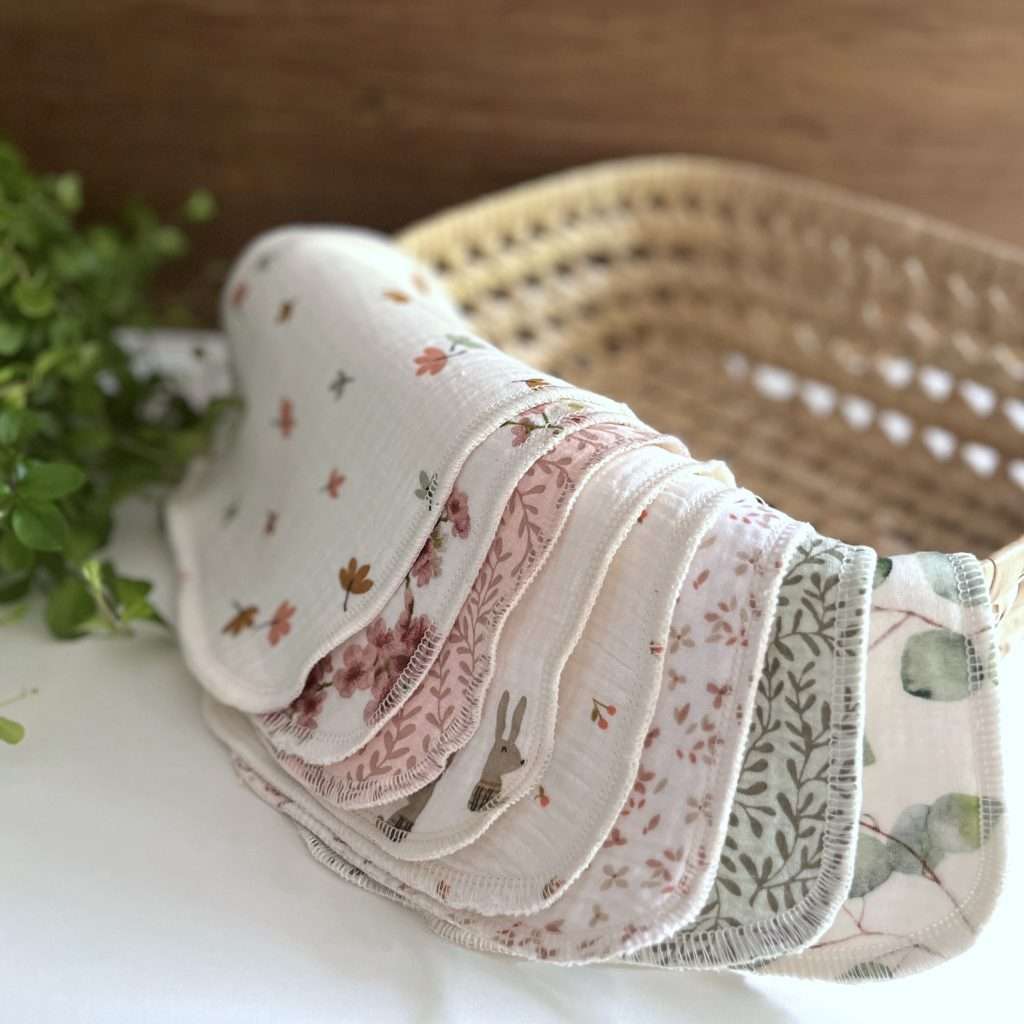
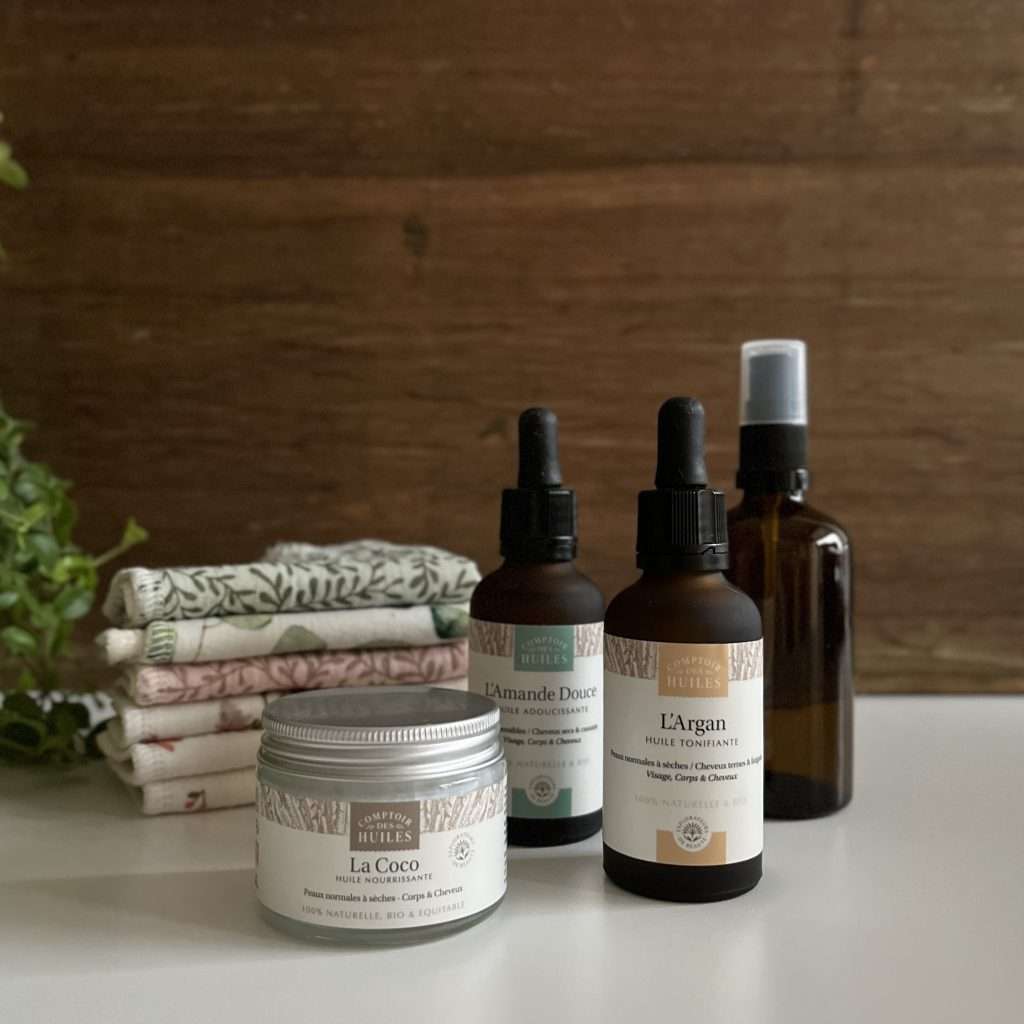
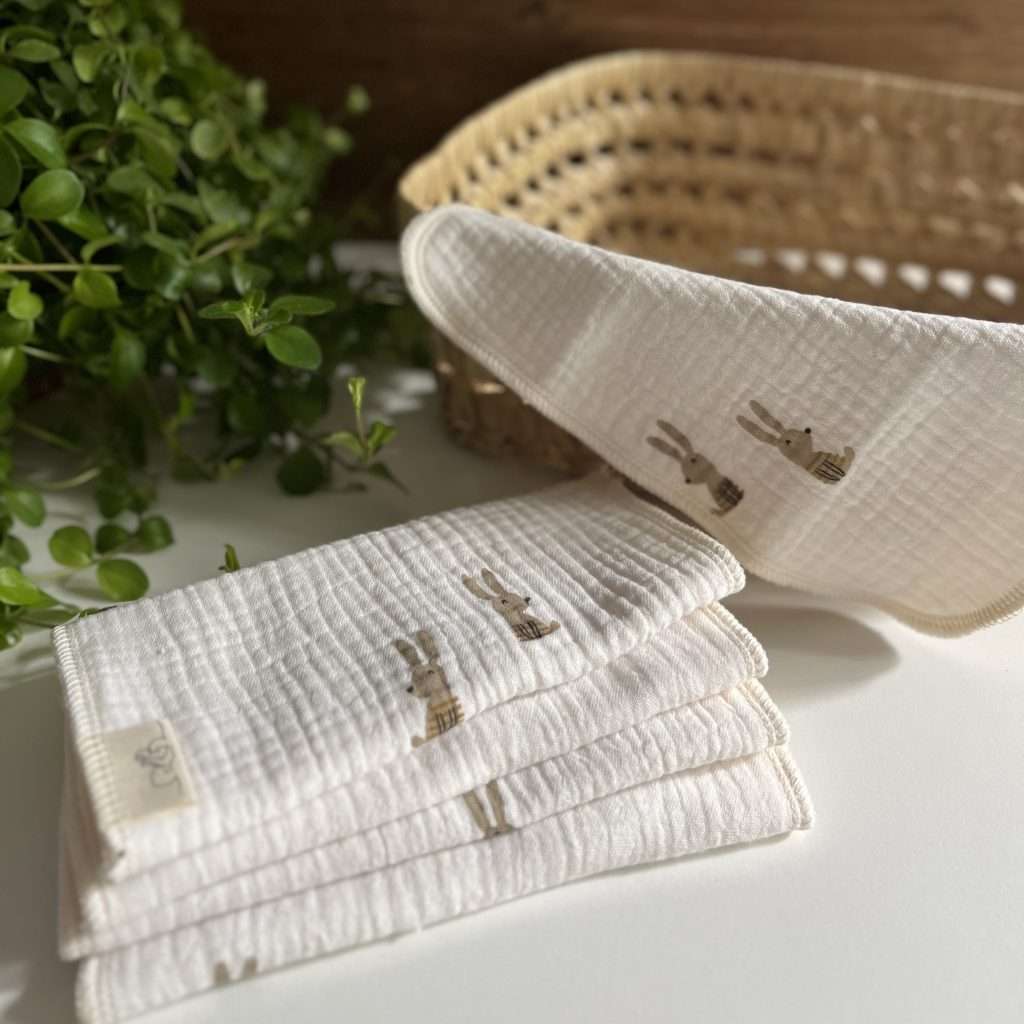
Environmental impact: Disposable wipes are a growing problem
One of the most glaring issues with disposable wipes is their environmental footprint. Though convenient, disposable wipes are typically made from synthetic materials like polyester or polypropylene, which are not biodegradable (meaning they don’t decompose in water). As a result, millions of wipes are thrown away every year, contributing significantly to landfill waste. Even so-called “flushable” wipes can clog sewage systems, adding to the environmental burden.
In contrast, reusable baby wipes offer a simple, effective solution. Made from natural fibres like cotton, bamboo, or hemp, they can be used repeatedly. This not only reduces waste but also eliminates the need for constant repurchasing. By choosing reusable wipes, you can significantly cut down on your household’s waste and make a positive impact on the environment.
Convenience and effectiveness: A little extra effort, big rewards
When it comes to convenience, disposable wipes have the edge. They’re quick, easy, and require no cleanup. Simply grab one and toss it in the trash. But this convenience comes at a cost – both to your wallet, your baby’s health, and the environment.
Reusable wipes, on the other hand, do require a little extra effort. After use, they need to be tossed in the laundry, which can be an additional chore. However, this process is relatively simple. Reusable wipes can be thrown in the washing machine with your regular laundry, and some parents choose to wash them separately to avoid contamination. For sure they can also be washed together with the cloth diaper inserts. You can even air-dry them to save on energy if you’re looking to make the process eco-friendlier. Plus, reusable wipes are often more absorbent and durable than disposable ones, making them more effective at cleaning up messes.
Chemical Exposure: A visible benefit of reusable wipes
For many parents, the health and well-being of their baby’s delicate skin is the top priority. Many disposable wipes contain chemicals like parabens, phthalates, and synthetic fragrances. In low concentrations, these ingredients may be used for preservation or scent, but they can be harmful to a baby’s sensitive skin. Prolonged exposure to these chemicals has been linked to skin irritation, allergic reactions, and even long-term health risks.
For parents who are concerned about chemical exposure, reusable wipes provide a safer alternative. These wipes are typically free from harmful ingredients, making them a better choice for babies with sensitive skin or conditions like eczema.
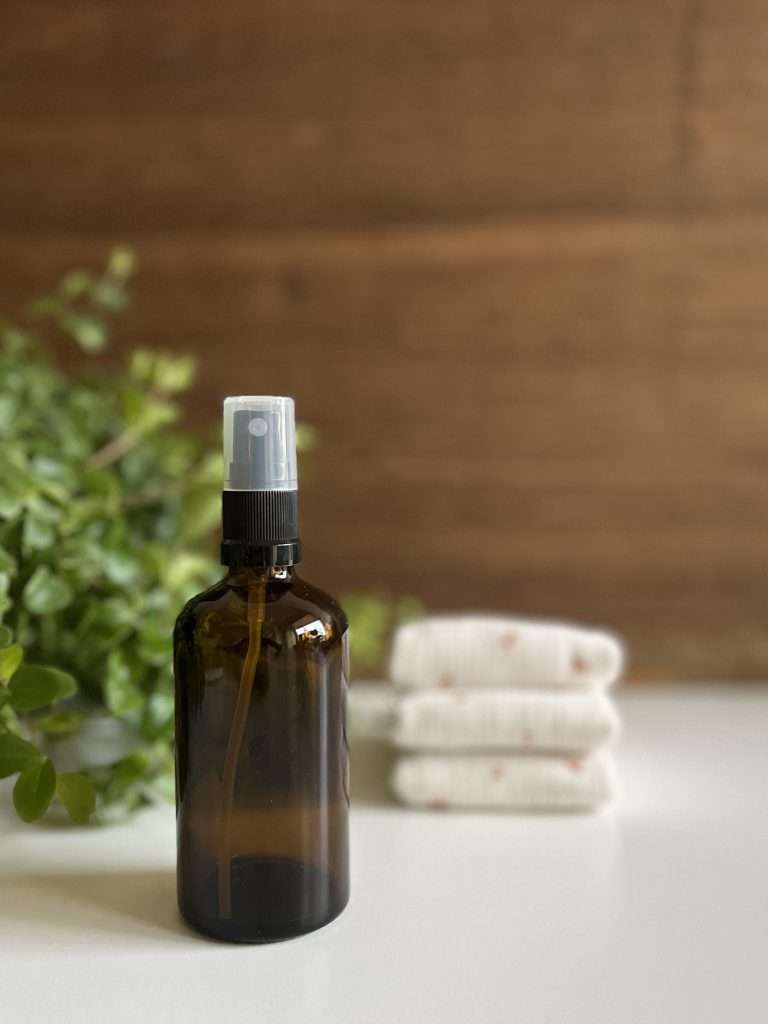
Make your own baby wipe solution
You can even make your own baby wipe solution at home, using natural ingredients that suit your baby’s needs. This way you have the added benefit of being able to control what goes into your baby’s wipe solution, such as using soothing ingredients like sweet almond or calendula. This means fewer chances of skin irritation, and the peace of mind knowing exactly what is touching your baby’s skin.
In this blog we provide a simple but effective baby wipe solution that you can easily make at home. And to make it even easier for you, we also have all the basic products in our shop: organic cotton wipes, organic carrier oils, and a spray bottle to store the solution.
Cost-Effectiveness: Saving money in the long run
While the initial cost of reusable wipes may be higher, they are more cost-effective over time. Disposable wipes are an ongoing expense, often costing families 10–30€ per month, depending on how many diapers a baby goes through. Over the course of a year, this adds up quickly.
Reusable wipes, on the other hand, require a one-time investment. A set of 20–30 cloth wipes might cost around 45-70€, but this can last for years if properly maintained. The savings become even more significant if you have multiple children in nappies. What’s more, the wipes can be used for a variety of purposes beyond nappy changes, from cleaning up spills, wiping messy hands, and to do the dishes. This makes them even more versatile.
Conclusion: A thoughtful choice for parents
Ultimately, the decision between reusable and disposable wipes depends on your family’s priorities. If convenience is the most important factor, disposable wipes may still be the go-to option. However, for those who are concerned about the environment, want to save money, and seek a healthier option for their baby’s skin, reusable wipes are a superior choice. They may require a little more effort upfront, but the long-term benefits are worth it.
Additional information on reusable wipes
Do you need new reusable wipes for your baby or as a gift? At Jovoh we offer wonderfully soft wipes made from organic cotton. Sustainable, trusted and beautiful.
Sources:
Allison, T., Ward, B. D., Harbottle, M., & Durance, I. (2023). Do flushed biodegradable wet wipes really degrade?. Science of the Total Environment, 894, 164912. DOI: 10.1016/j.scitotenv.2023.164912
Hadley, T., Hickey, K., Lix, K., Sharma, S., Berretta, T., & Navessin, T. (2023). Flushed but not forgotten: The rising costs and opportunities of disposable wet wipes. BioResources, 18(1), 2271.DOI: 22287
Lin, N., Ding, N., Meza-Wilson, E., Devasurendra, A. M., Godwin, C., Park, S. K., & Batterman, S. (2023). Volatile Organic Compounds in Disposable Diapers and Baby Wipes in the US: A Survey of Products and Health Risks. Environmental Science & Technology, 57(37), 13732-13743. DOI: 10.1021/acs.est.3c02862
Petrović, T., Poljarević, J., Nikolić, S., Stojković‐Filipović, J., & Mihajlović‐Lalić, L. E. (2024). A review of the key ingredients in industrial formulations of baby wet wipes. International Journal of Dermatology, 63(12), 1668-1675. DOI: 10.1111/ijd.17351
Rodriguez, K. J., Cunningham, C., Foxenberg, R., Hoffman, D., & Vongsa, R. (2020). The science behind wet wipes for infant skin: Ingredient review, safety, and efficacy. Pediatric Dermatology, 37(3), 447-454. DOI: 10.1111/pde.14112
Ökotest: Babyfeuchttücher mit Parfüm im Test & Feuchttücher im Test