A better fit from day one: How to use the new newborn wool nappy

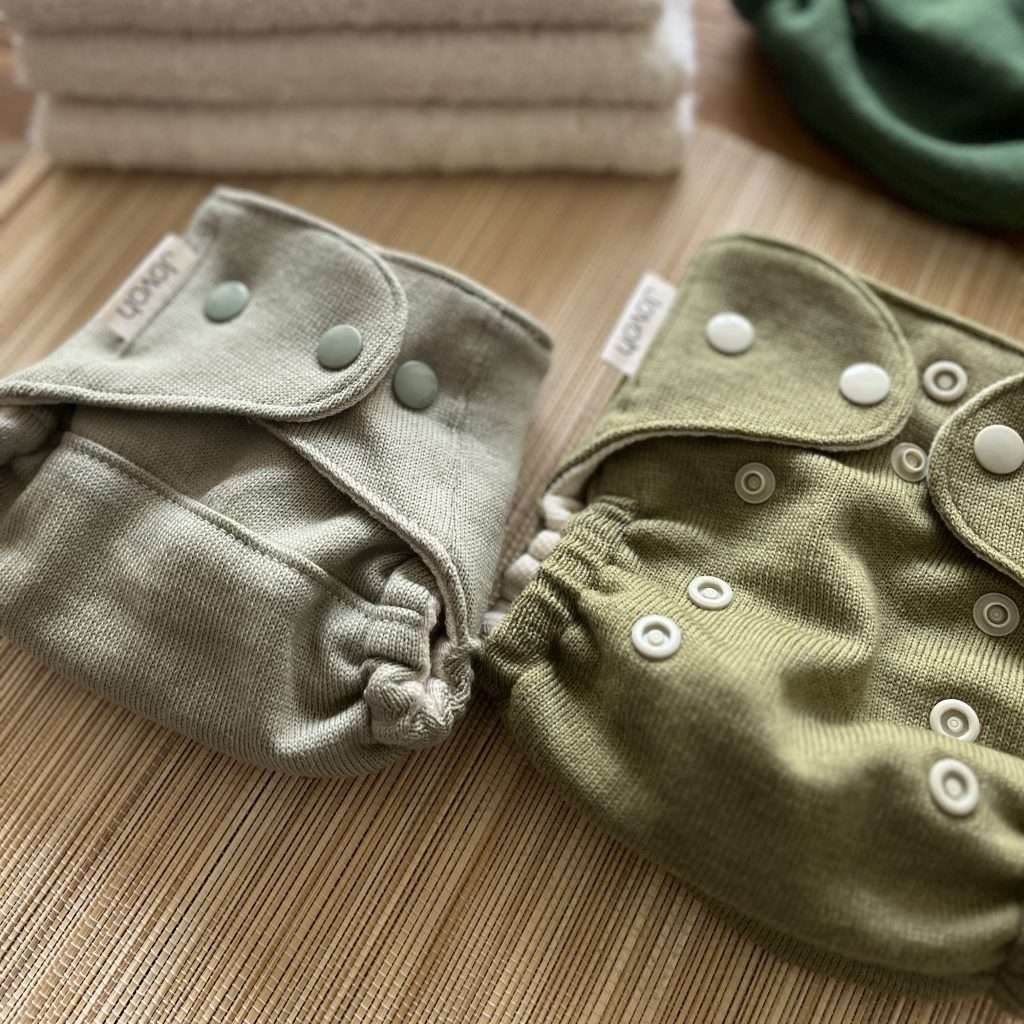
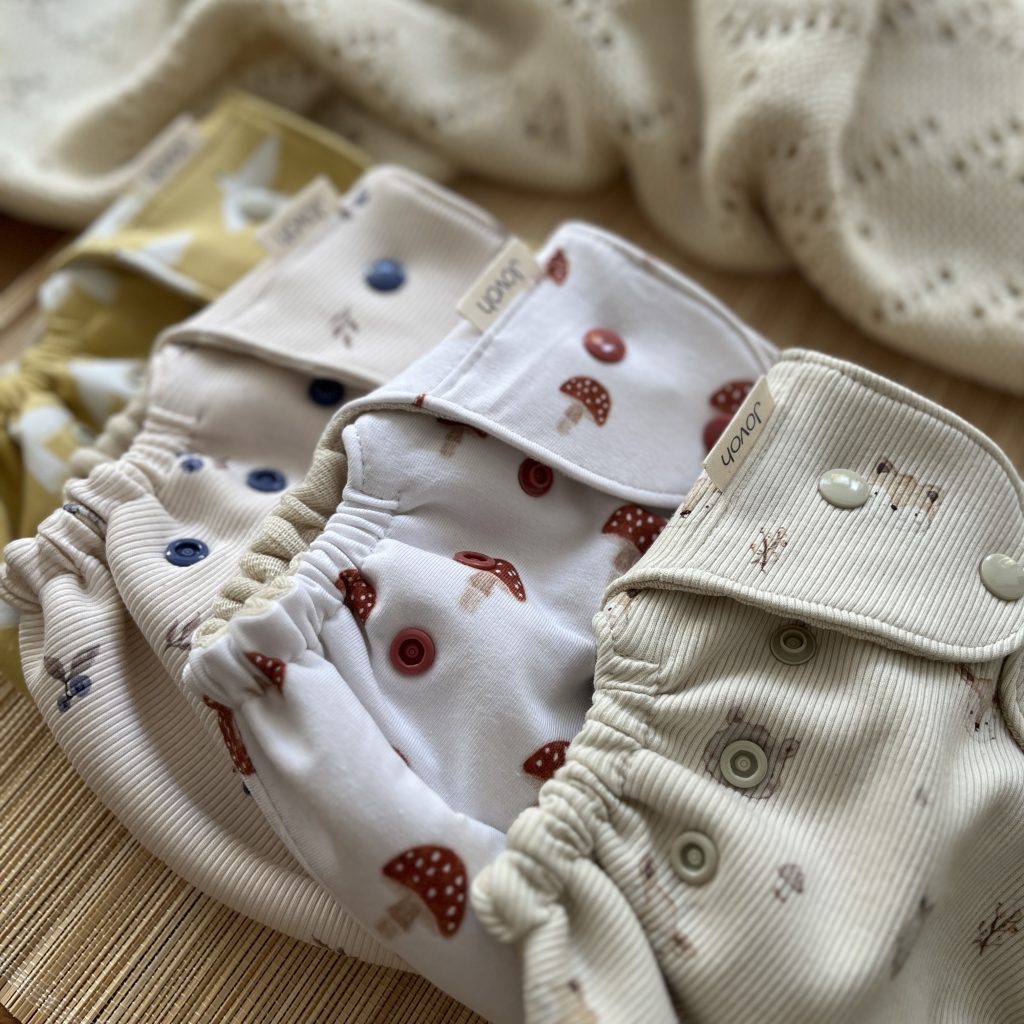
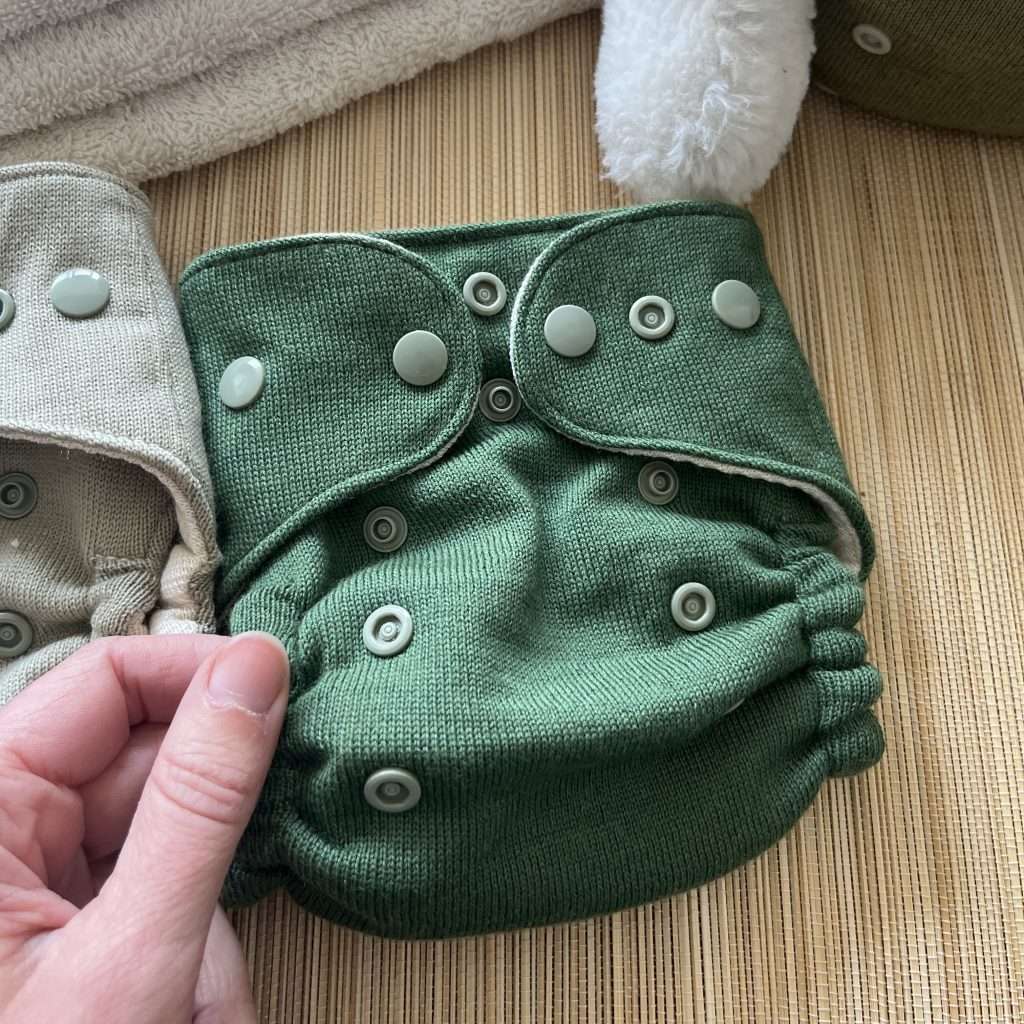
Welcoming a newborn into the world is a life-changing moment. And so is discovering the small things that make those early days smoother. At Jovoh, we’re listening to the needs of parents, which is why we’re excited to share an important update to our wool cover in size 1. It now features reduction buttons at the front, and while this may seem like a minor tweak, it makes a world of difference for your little one’s comfort and your peace of mind. The best newborn nappy we ever had! In the following we’ll also dive into how to use the new newborn cover.


Why the Update?

Newborns come in all shapes and sizes — and for many, especially those with thinner legs, traditional wool covers can leave a bit too much room around the leg openings. This often results in leaks, added laundry, and unnecessary frustration during a period that’s already demanding.

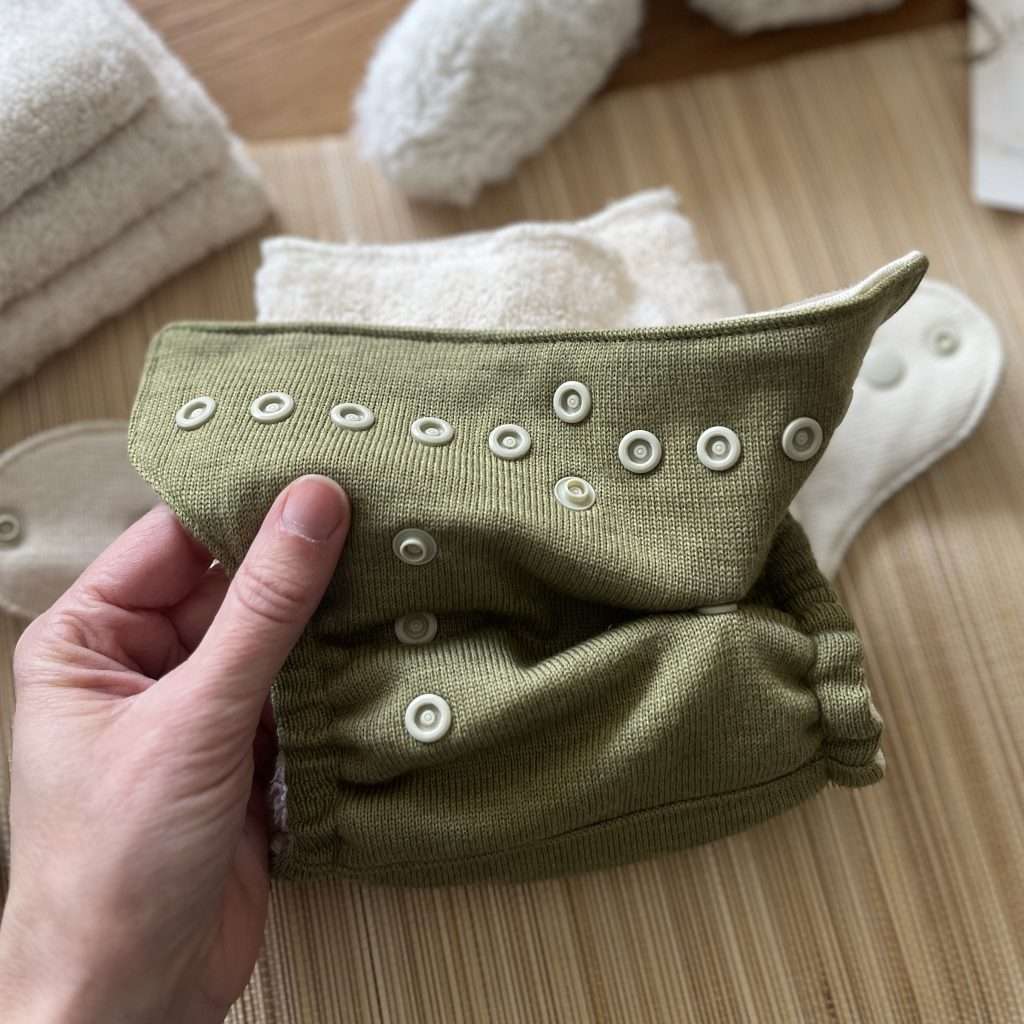
With the new reduction buttons at the front, parents can now easily adjust the fit around the legs. This simple addition helps to ensure a snugger, more customized fit for even the tiniest babies.


A wool nappy not just for the first few weeks

Another reason our customers love the Jovoh wool cover in size 1 is its impressive longevity. While some brands size their newborn covers only for the very early days, our size 1 wool covers are designed to grow with your baby — comfortably fitting up to 7 kg. For some babies, this milestone is reached within the first few months, but some parents report using the same cover for more than half a year.

This not only makes cloth diapering more economical but also ensures that you get the most value and usage out of each cover. Pair that with the natural breathability, temperature regulation, and leak protection of wool, and it’s easy to see why wool covers are a trusted choice.
How to prepare and fit your wool nappy

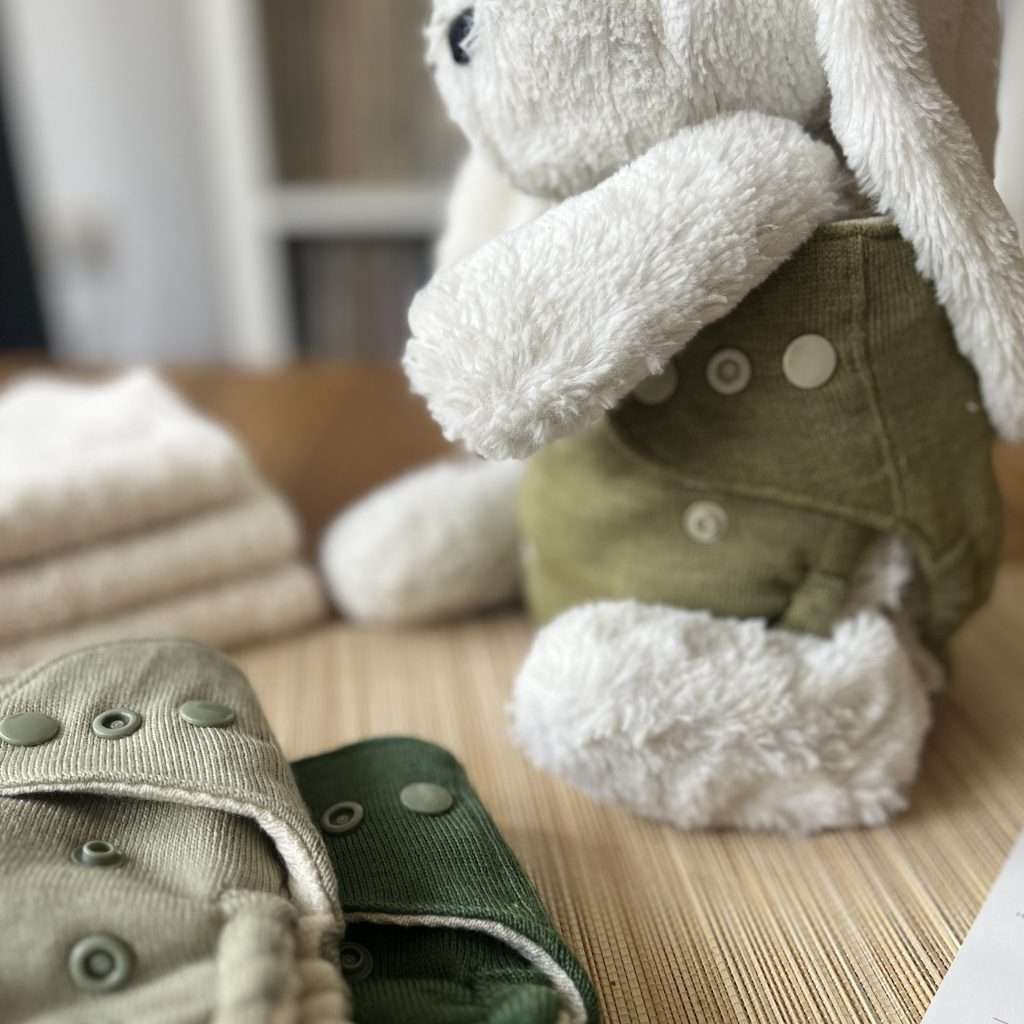
Before using your wool nappy, it’s important to set it up properly for comfort and leak protection. Here’s how to do it step by step. Are you more of a visual person? Then have a look at our video on how to adjust and fit the newborn nappy.

1. Prepare the insert
  • Choose your insert — such as a folded cotton flat or muslin cloth.
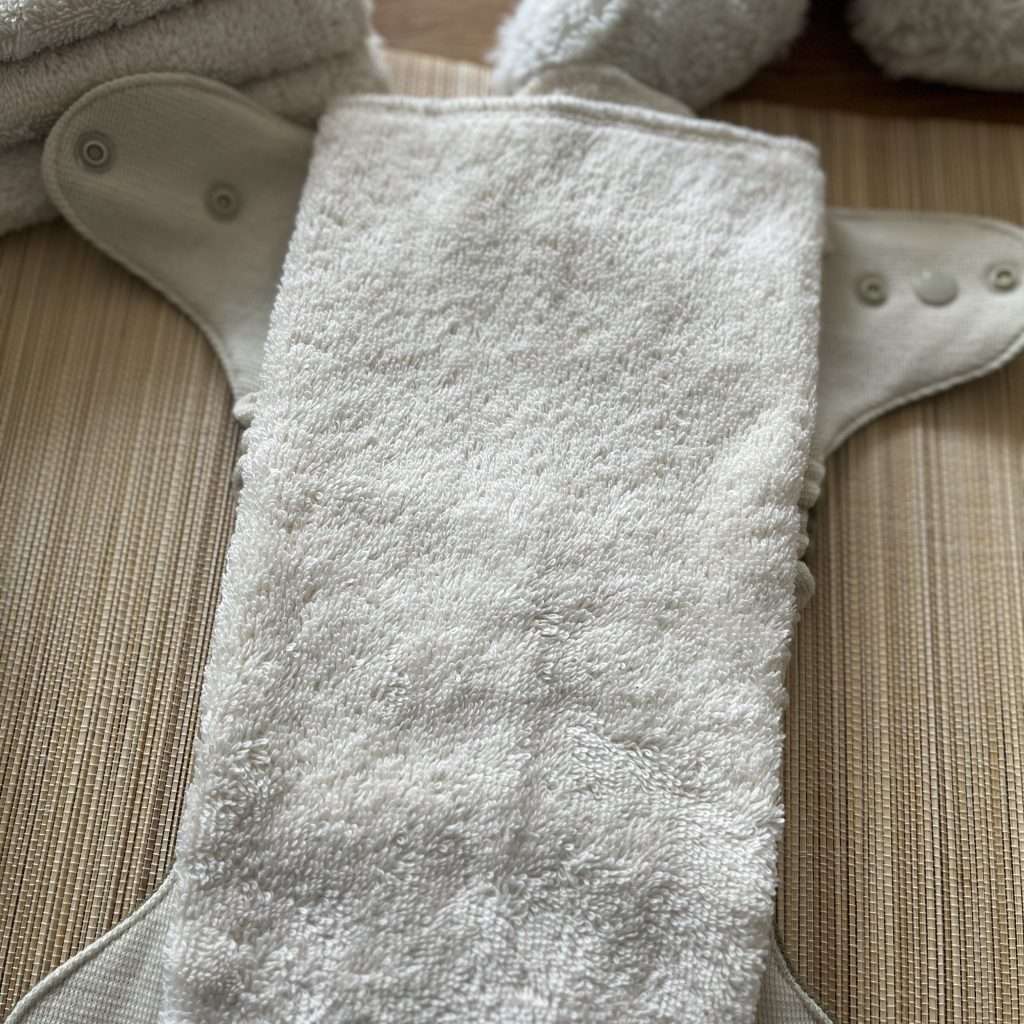
  • Fold the insert in thirds to match the shape of the newborn cover (size 1).
  • To increase absorbency place a hemp booster below the flat.
2. Place the insert inside the newborn wool cover
  • Always close the front snaps of the wool cover before putting the nappy on your baby. This sets the leg width and size of the folded insert. That way it ensures a proper fit. If you are unsure which button to close give it a try and then properly prepare your nappy.
  • Place the wool cover in front of you with the wool side facing up. Lay the folded insert directly into the cover.
  • It should sit neatly in the middle, close to the sides but without sticking out.
  • At the child’s bottom, fold it a bit wider to provide good coverage.
3. Put the the newborn wool nappy on your baby
  • Place the nappy under your baby and fasten the side snaps.
  • Close the sides at the same distance. This is important so that the nappy does not sit crooked.
  • Make sure the fit is snug but comfortable — not too tight. It should be possible to slide a finger under the leg elastics without effort.
4. Check after dressing your baby

After putting the nappy on:

  • Are the inserts completely tucked inside the wool cover?
  • Are there any corners sticking out?
  • Are the leg openings nicely sealed and the fit smooth?

These small checks can make a big difference in preventing leaks. For the best newborn wool nappy!

5. After Use
  • If the cover is only wet, simply air it out after each change and reuse later.
  • If soiled, spot clean with lanolin soap or wash it fully before using again.

With a bit of routine and the right fit, your wool nappy becomes not just a nappy — but a daily comfort for both baby and parent.


A smart start

Choosing the right nappy system in the early weeks is about more than convenience — it’s about confidence. With the updated Jovoh size 1 wool cover, you’re setting yourself up for fewer leaks, a better fit, and more days where things just work. It’s a small detail with a big impact. The best newborn wool nappy if you ask me.

Switching to wool and how it really went


I’ll be honest: I never thought I’d be the kind of mom who used wool nappy covers. Before my baby was born, I had a long list of things I’d “definitely not do”, and cloth nappies were right at the top.

Too much work. Too weird. I just wanted to make things simple.

But as I stood in the baby aisle for the hundredth time, staring at rows of disposable nappies, something didn’t sit right. Was that really the best I could do? For my baby’s skin? Our budget? Or for the planet they’d grow up on?

And then, out of nowhere, a friend said: “Oh, we use wool nappies. They’re actually great.” Wait. Wool?
As in sheep? As in itchy sweaters and handwashing?

No. Way.

The day everything changed

Switching to wool and how it really went


Still, I couldn’t shake that one sentence. So I did something I never thought I would: I ordered one wool cover. Just one and a few insert. When it arrived, I felt a little silly. But the moment I opened the package, something shifted.

It was soft.
Like, really soft.

Not scratchy, not stiff, more like a cozy little cardigan for my baby’s bum.

And it didn’t look weird at all. It was beautiful. Minimal. Earthy in a way that didn’t scream “I make my own kombucha” (it’s ok if you do, I don’t). Switching to wool came closer.

Then came the first test

I paired the cover with the cotton flat and waited for the disaster. I was sure it would leak or smell or somehow explode. But it didn’t. In fact (this part still blows my mind) it didn’t even smell. After a full day of use, the wool still smelled clean. Just… baby. Not sour. Not chemical. Just soft skin and milk breath. Not this strong smell I experienced with disposable diapers.

You know what else happened? Our baby started sleeping longer at night. Two whole hours. Honestly, it felt like magic. No more wet wakeups. No more crying from dampness or cold. Wool keeps moisture in without trapping heat, so our baby stayed dry and comfy. And so did we. I know it sounds dramatic, but those extra hours of sleep felt like winning the lottery.

Final thoughts

I’m not here to convince you to go 100% wool. I still keep a few disposables on hand. But switching to wool (even just a little) has made life better. For me. For my baby. So if you’re even a tiny bit curious, start with one wool cover and an insert. That’s all it took for me.

Here’s the one I started with – perfect for beginners.

And if you’re thinking: “That sounds nice, but probably not for me…” I get it. I was you. But give it a chance. You might be surprised by how right it feels.


Note from Jovoh

Got your own story about trying or switching to wool? Send it in. I love hearing from real parents who took the leap. Whether it was love at first lanolin or a bumpy start that turned into something great — I’d love to co-write a blog post with you, based on your honest experience. 

No perfect pictures needed, just your story.

The case for reusable wipes: Why they’re better than disposables

When it comes to caring for a newborn or toddler, one of the essential items in every parent’s arsenal is baby wipes. They’re used for everything from nappy changes to wiping dirty hands and faces. However, with the growing concern about sustainability, health, and cost-effectiveness, many parents are now turning to reusable baby wipes as an alternative to traditional disposable wipes. But are they really a better choice? In this post, we’ll explore the differences between reusable and disposable baby wipes.


Environmental impact: Disposable wipes are a growing problem

One of the most glaring issues with disposable wipes is their environmental footprint. Though convenient, disposable wipes are typically made from synthetic materials like polyester or polypropylene, which are not biodegradable (meaning they don’t decompose in water). As a result, millions of wipes are thrown away every year, contributing significantly to landfill waste. Even so-called “flushable” wipes can clog sewage systems, adding to the environmental burden.

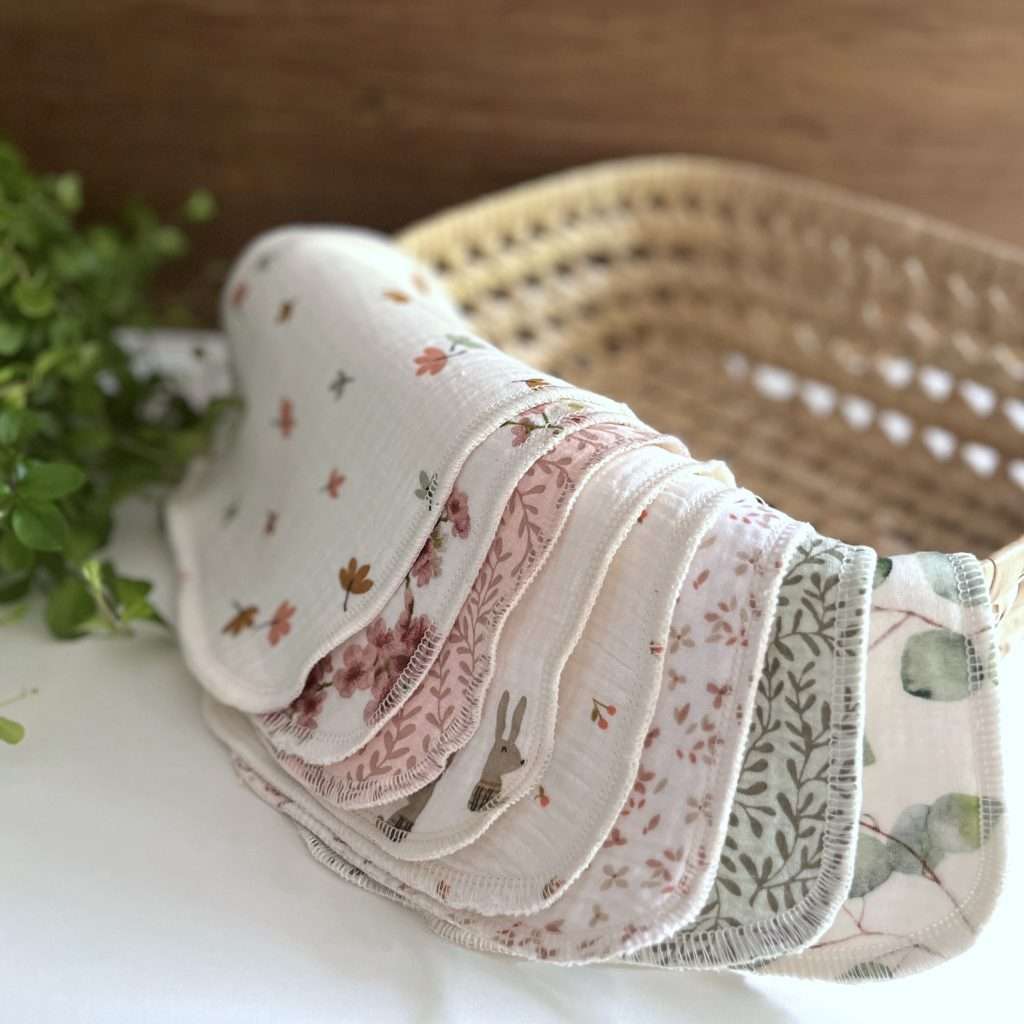
In contrast, reusable baby wipes offer a simple, effective solution. Made from natural fibres like cotton, bamboo, or hemp, they can be used repeatedly. This not only reduces waste but also eliminates the need for constant repurchasing. By choosing reusable wipes, you can significantly cut down on your household’s waste and make a positive impact on the environment.


Convenience and effectiveness: A little extra effort, big rewards

When it comes to convenience, disposable wipes have the edge. They’re quick, easy, and require no cleanup. Simply grab one and toss it in the trash. But this convenience comes at a cost – both to your wallet, your baby’s health, and the environment.

Reusable wipes, on the other hand, do require a little extra effort. After use, they need to be tossed in the laundry, which can be an additional chore. However, this process is relatively simple. Reusable wipes can be thrown in the washing machine with your regular laundry, and some parents choose to wash them separately to avoid contamination. For sure they can also be washed together with the cloth diaper inserts. You can even air-dry them to save on energy if you’re looking to make the process eco-friendlier. Plus, reusable wipes are often more absorbent and durable than disposable ones, making them more effective at cleaning up messes.


Chemical Exposure: A visible benefit of reusable wipes

For many parents, the health and well-being of their baby’s delicate skin is the top priority. Many disposable wipes contain chemicals like parabens, phthalates, and synthetic fragrances. In low concentrations, these ingredients may be used for preservation or scent, but they can be harmful to a baby’s sensitive skin. Prolonged exposure to these chemicals has been linked to skin irritation, allergic reactions, and even long-term health risks.

For parents who are concerned about chemical exposure, reusable wipes provide a safer alternative. These wipes are typically free from harmful ingredients, making them a better choice for babies with sensitive skin or conditions like eczema.

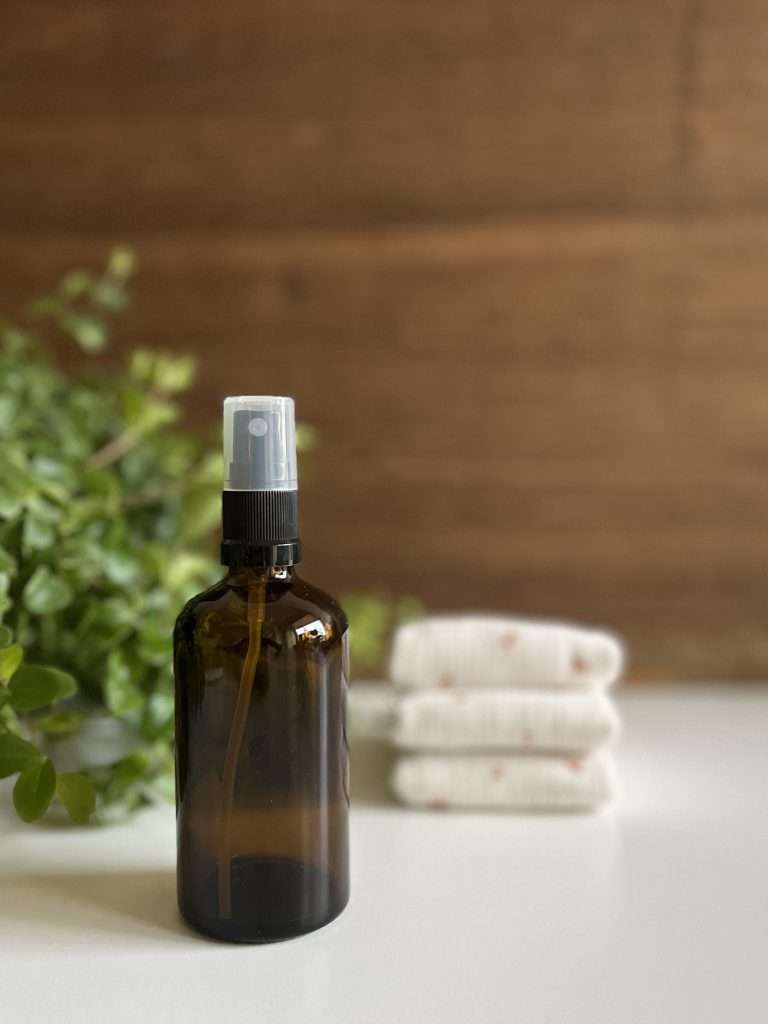
Spray bottle 02

Make your own baby wipe solution

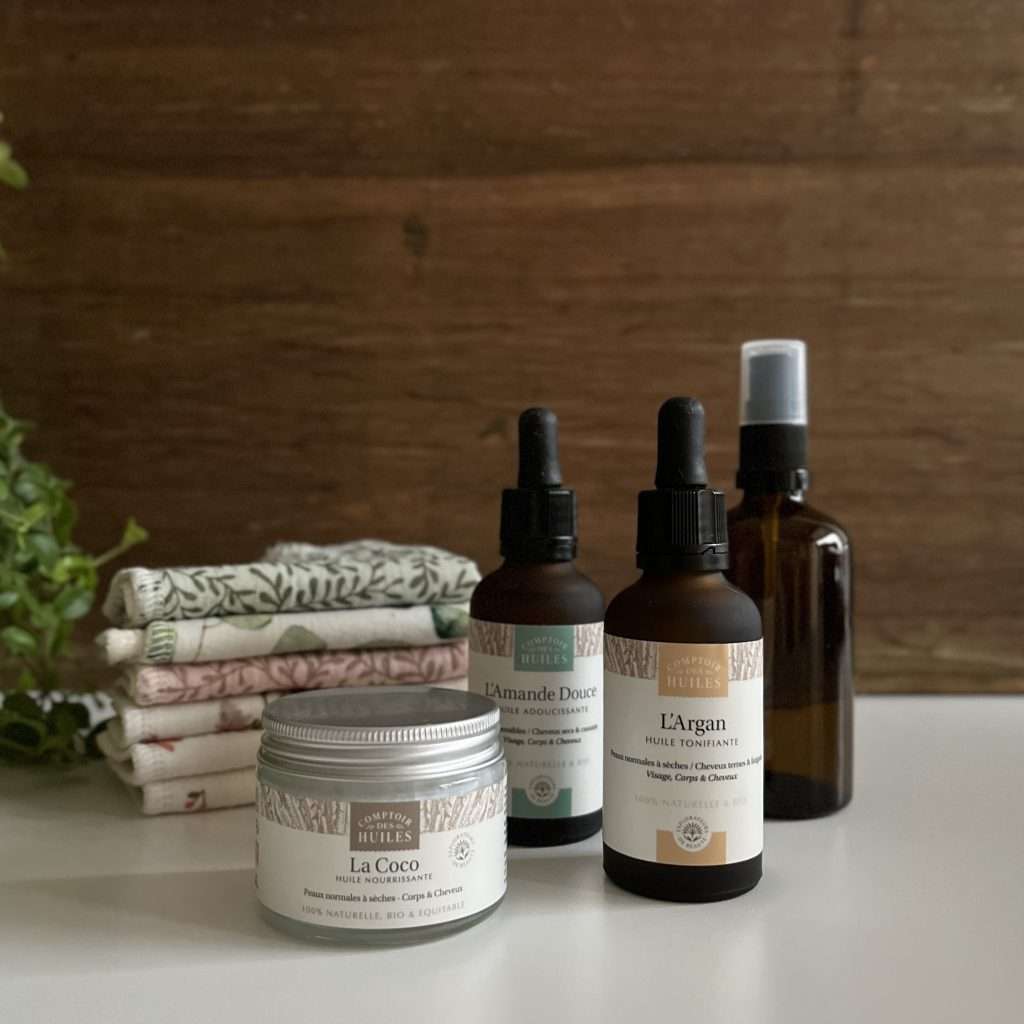
You can even make your own baby wipe solution at home, using natural ingredients that suit your baby’s needs. This way you have the added benefit of being able to control what goes into your baby’s wipe solution, such as using soothing ingredients like sweet almond or calendula. This means fewer chances of skin irritation, and the peace of mind knowing exactly what is touching your baby’s skin.

In this blog we provide a simple but effective baby wipe solution that you can easily make at home. And to make it even easier for you, we also have all the basic products in our shop: organic cotton wipes, organic carrier oils, and a spray bottle to store the solution.


Cost-Effectiveness: Saving money in the long run

While the initial cost of reusable wipes may be higher, they are more cost-effective over time. Disposable wipes are an ongoing expense, often costing families 10–30€ per month, depending on how many diapers a baby goes through. Over the course of a year, this adds up quickly.

Reusable wipes, on the other hand, require a one-time investment. A set of 20–30 cloth wipes might cost around 45-70€, but this can last for years if properly maintained. The savings become even more significant if you have multiple children in nappies. What’s more, the wipes can be used for a variety of purposes beyond nappy changes, from cleaning up spills, wiping messy hands, and to do the dishes. This makes them even more versatile.


Conclusion: A thoughtful choice for parents

Ultimately, the decision between reusable and disposable wipes depends on your family’s priorities. If convenience is the most important factor, disposable wipes may still be the go-to option. However, for those who are concerned about the environment, want to save money, and seek a healthier option for their baby’s skin, reusable wipes are a superior choice. They may require a little more effort upfront, but the long-term benefits are worth it.


Additional information on reusable wipes

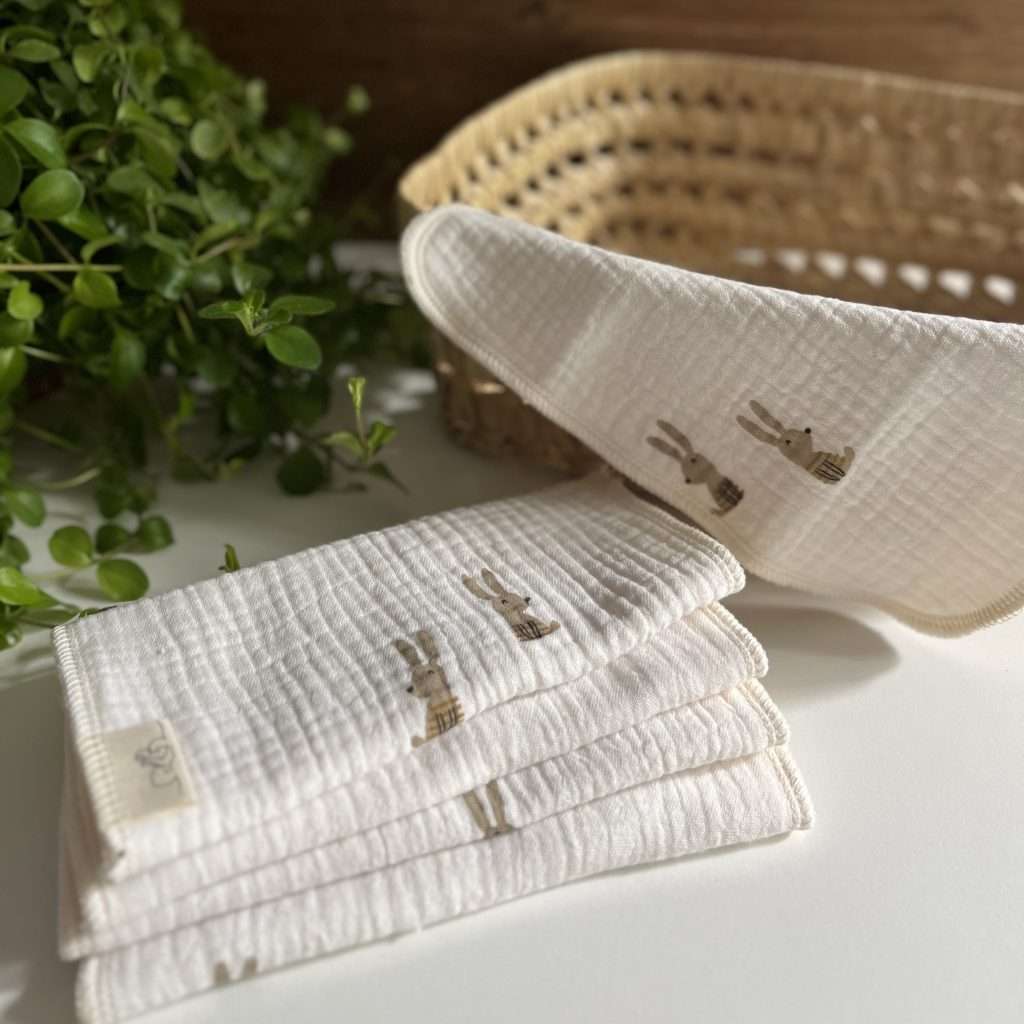
Do you need new reusable wipes for your baby or as a gift? At Jovoh we offer wonderfully soft wipes made from organic cotton. Sustainable, trusted and beautiful.


Sources:

Allison, T., Ward, B. D., Harbottle, M., & Durance, I. (2023). Do flushed biodegradable wet wipes really degrade?. Science of the Total Environment, 894, 164912. DOI: 10.1016/j.scitotenv.2023.164912

Hadley, T., Hickey, K., Lix, K., Sharma, S., Berretta, T., & Navessin, T. (2023). Flushed but not forgotten: The rising costs and opportunities of disposable wet wipes. BioResources, 18(1), 2271.DOI: 22287

Lin, N., Ding, N., Meza-Wilson, E., Devasurendra, A. M., Godwin, C., Park, S. K., & Batterman, S. (2023). Volatile Organic Compounds in Disposable Diapers and Baby Wipes in the US: A Survey of Products and Health Risks. Environmental Science & Technology, 57(37), 13732-13743. DOI: 10.1021/acs.est.3c02862

Petrović, T., Poljarević, J., Nikolić, S., Stojković‐Filipović, J., & Mihajlović‐Lalić, L. E. (2024). A review of the key ingredients in industrial formulations of baby wet wipes. International Journal of Dermatology, 63(12), 1668-1675. DOI: 10.1111/ijd.17351

Rodriguez, K. J., Cunningham, C., Foxenberg, R., Hoffman, D., & Vongsa, R. (2020). The science behind wet wipes for infant skin: Ingredient review, safety, and efficacy. Pediatric Dermatology, 37(3), 447-454. DOI: 10.1111/pde.14112

Ökotest: Babyfeuchttücher mit Parfüm im Test & Feuchttücher im Test

Wool in summer? A Love letter to merino wool for the warm season

When I hear the word wool, my mind still wanders to the thick, hand-knit Icelandic sweater I wore through the snow-covered winters. You probably know the kind — warm, slightly scratchy, heavy with the scent of a crackling fireplace and memories. For years, I thought that was wool. Only winter. Only cold days.

But then I discovered merino wool — and suddenly, everything I thought I knew changed.

As a mother and the heart behind this little shop filled with natural baby treasures, I’ve come to adore merino wool not just in winter, but even more so in summer. It’s light. It’s breathable. And most of all, it’s beautifully clever — just like nature intended.


Why merino wool is a summer secret for babies

You might be wondering: wool… in summer? For my baby? Isn’t that too warm? The answer, surprisingly, is no. In fact, merino wool is one of the best fabrics you can dress your baby in during the warmer months. Here’s why:

Temperature-regulating magic: Merino wool has a natural ability to regulate body temperature. It keeps your baby warm when it’s chilly and cool when it’s hot. It works like a second skin — breathing with your baby, adapting to their needs. That means fewer clothing changes, more comfort, and fewer worries.

Naturally moisture-wicking: Babies sweat too — and merino handles it beautifully. It draws moisture away from the skin, helping your little one stay dry and cozy. Unlike synthetic fabrics, it doesn’t get clammy or trap heat. And unlike cotton, it doesn’t stay damp. Win-win!

Gentle on sensitive skin: Merino wool is incredibly fine and soft — not at all like that thick winter sweater from Iceland (as much as I still love mine!). It’s perfect for delicate baby skin, even for little ones with eczema or sensitivities. The natural lanolin in wool also has antibacterial properties, keeping things fresher and cleaner for longer.

Kind to the earth: As a parent, I know how much we care about the kind of world we leave behind for our children. Merino wool is 100% natural, renewable, and biodegradable. Choosing wool nappies, clothing, or covers is one small way we can all tread a little lighter.

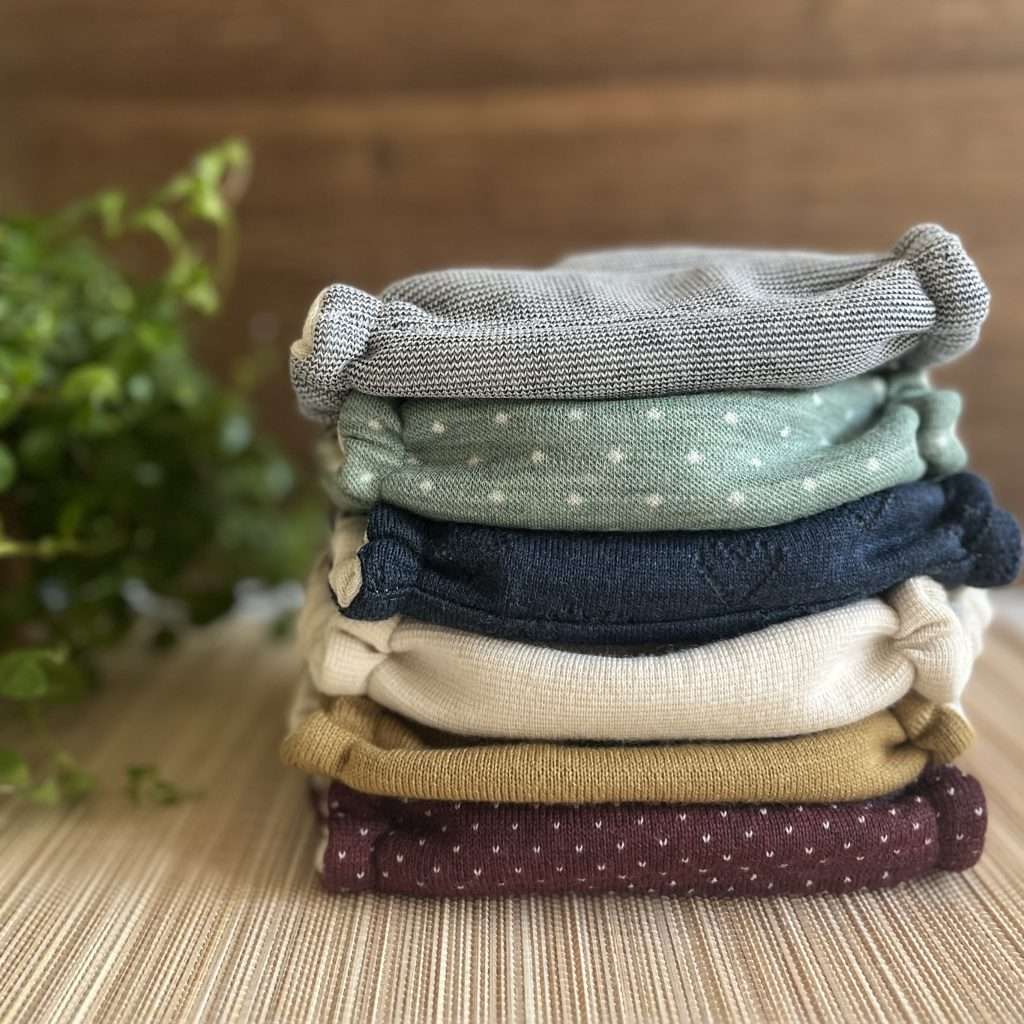
Wool summer
Baby | Rent your wool nappy
FAQ

Wool nappies in summer? Yes, and here’s why they’re brilliant.

One of the questions I get asked most in the summer months is: “Aren’t wool nappies too warm for my baby?” And every time, I smile and share my favourite little truth — wool nappies are actually perfect for warm weather.

Just like merino clothing, wool nappy covers work with your baby’s body, not against it. They allow the skin to breathe, and thanks to wool’s natural temperature-regulating abilities, they help keep your baby cool when it’s hot and cozy when the air turns a bit chilly.

Breathable and moisture-balancing: Unlike plastic covers or synthetic materials, wool doesn’t trap heat or sweat. Instead, it absorbs up to 30% of its weight in moisture without feeling wet, pulling dampness away from your baby’s skin and letting it evaporate into the air. This helps prevent heat rash, irritation, and that sticky, sweaty feeling — even during midday naps or active crawling sessions in the sun.

Naturally self-cleaning: Another summer plus? Wool’s built-in antibacterial and odor-resistant qualities mean it doesn’t need constant washing. Airing out between uses is often enough. This is a huge bonus on busy, hot days when you’re trying to keep laundry to a minimum and outdoor play to a maximum.

Soft comfort for delicate skin: Whether you use fitted nappies underneath or flats, a wool cover creates the softest, most breathable barrier you can imagine. No elastic digging in, no plasticky feel. Just a gentle, cozy hug around your baby’s bum — even on the warmest days.


A gentle embrace for summer days

When I first started using wool nappies for my own baby, I was unsure — but then I noticed how calmcomfortable, and content they were in them. No red marks. No sweaty backs. Just softness. Breathability. Ease.

It felt like I had discovered a beautiful secret — and I wanted to share it with other parents. That’s why our shop now offers carefully selected merino wool products made with love and meant to support your baby through every season.

So yes, when I hear wool now, I still think of that old Icelandic sweater. But I also think of summer breezes, baby giggles, sun-warmed naps, and the quiet magic of nature doing exactly what it was designed to do.

Because wool isn’t just for winter. It’s for childhood.

And it’s more wonderful than I ever imagined.


Additional information

Are you curious how to use wool nappies for your baby? Please check out the basic tips on how to start diapering with wool from Jovoh.

Wool is complicated to wash? Not really, and with these little tips and tricks, washing wool is the easiest thing in the world.


Sources:

Foto credits for women with cup and baby under a blanket: Anne Bestow from MrsBean