Greasing wool covers: this is how wool becomes water-repellent

posted in: Wool Care & Maintenance | 0

If you want to use wool covers for your baby, you can’t avoid greasing them. Greasing may sound complicated and sometimes put parents off using wool, but it’s actually quite simple: you give the covers a bath with wool grease (lanolin) every few weeks to make them water-repellent again. In this blog, we will show you how easy it is. With our step-by-step plan, greasing wool covers will be a piece of cake!


Why grease wool covers?

Many parents wonder how a wool covers can be waterproof. Well, it is because of lanolin, a natural fat present in sheep’s wool and produced by sheep’s sebaceous glands. Lanolin makes wool water- and dirt-resistant, making wool an excellent material for the outside of cloth nappies. When wool is processed, most of the lanolin is removed, but in the case of wool covers, it can easily be re-added at home. As wool loses some lanolin over time through wearing and washing, it is advisable to treat wool covers regularly with lanolin. This increases water repellency. Did you know that greased wool covers are even less leak-prone than other commonly used synthetic materials such as PUL and TPU? In addition, wool has the advantage of being a natural, breathable material.


What types of lanolin are there?

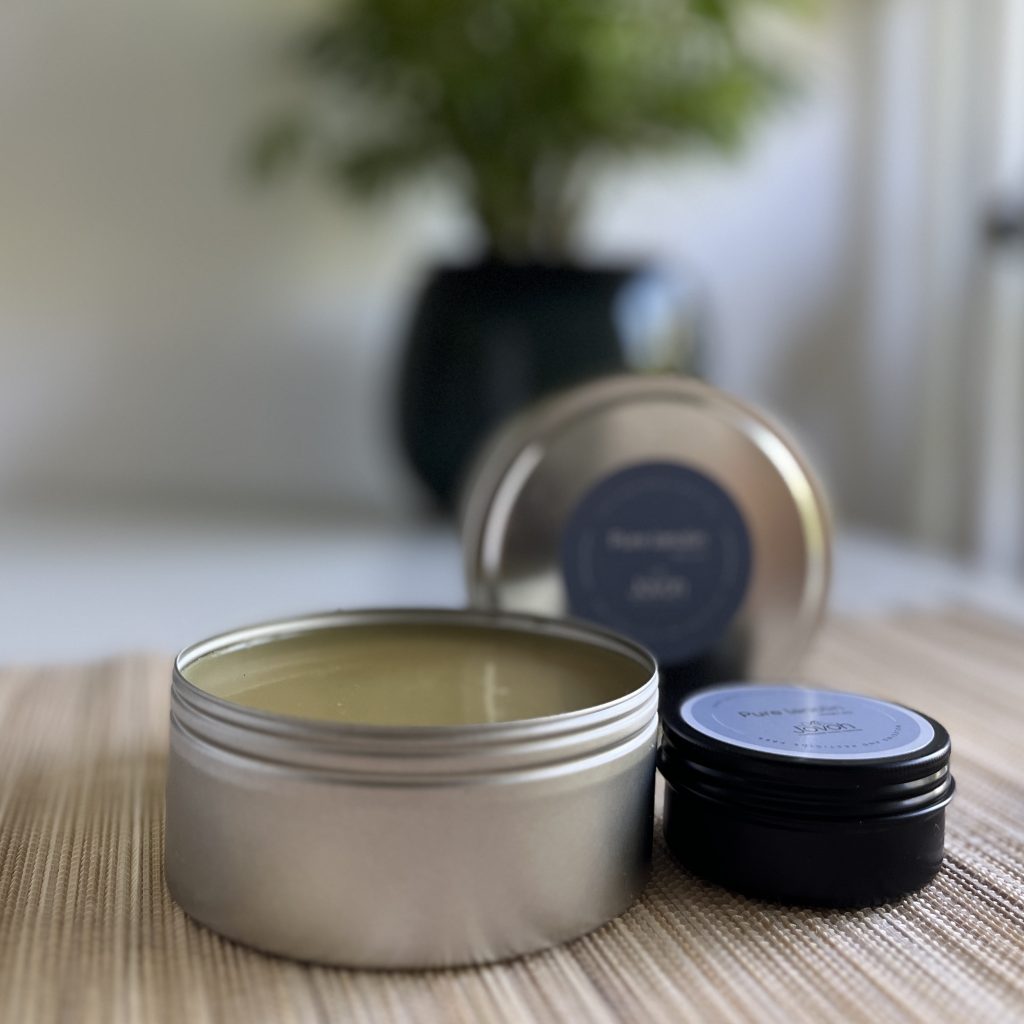
There are two common types of lanolin available for greasing wool covers: ready-to-use liquid lanolin and solid lanolin. The ready-to-use liquid lanolin seems convenient, but it has a few drawbacks. First, it contains additives to keep the lanolin liquid. Second, with liquid lanolin, the covers become slightly less waterproof than with solid lanolin. Therefore, at Jovoh, we recommend solid lanolin. Jovoh’s 100% pure lanolin comes from European sheep farms and is certified mulesing-free. Mulesing is a painful procedure to protect sheep from fly infestations that is not used in organic farming.

Greasing wool covers: an easy step-by-step plan

Now that you know why greasing with lanolin is important, we explain step by step how often you should grease wool covers and how you can easily do it yourself.

When do you need to grease a wool cover?

  • It is advisable to grease a new cover once or twice to make it properly waterproof. Since new wool covers often still loose colour during the first wash, it is important to wash them thoroughly first and only then grease them. You can read all about washing wool in this blog.
  • Then grease your covers about every 2-3 weeks, depending on how often they are used. A wool cover needs a lanolin bath after you wash it (with olive soap or wool detergent). If only a small part of the wool cover is leaking, you can quickly treat it with wool washing soap instead of greasing the whole cover. In this blog you can read exactly how lanolising with wool washing soap works.

Supplies

To grease wool covers, you will need the following:

Step-by-step plan on greasing wool covers

Preparing the wool covers
  • Make sure the wool cover has been washed. You don’t want the grease to get dirt such as dander or urine residue stuck in the wool.
  • The lanolin is better absorbed if the wool cover is still wet or damp when you grease it.
  • It is important to note that you can grease several wool covers in one bowl. Just make sure that all the covers are covered with the lanolin emulsion.
Making the lanolin emulsion
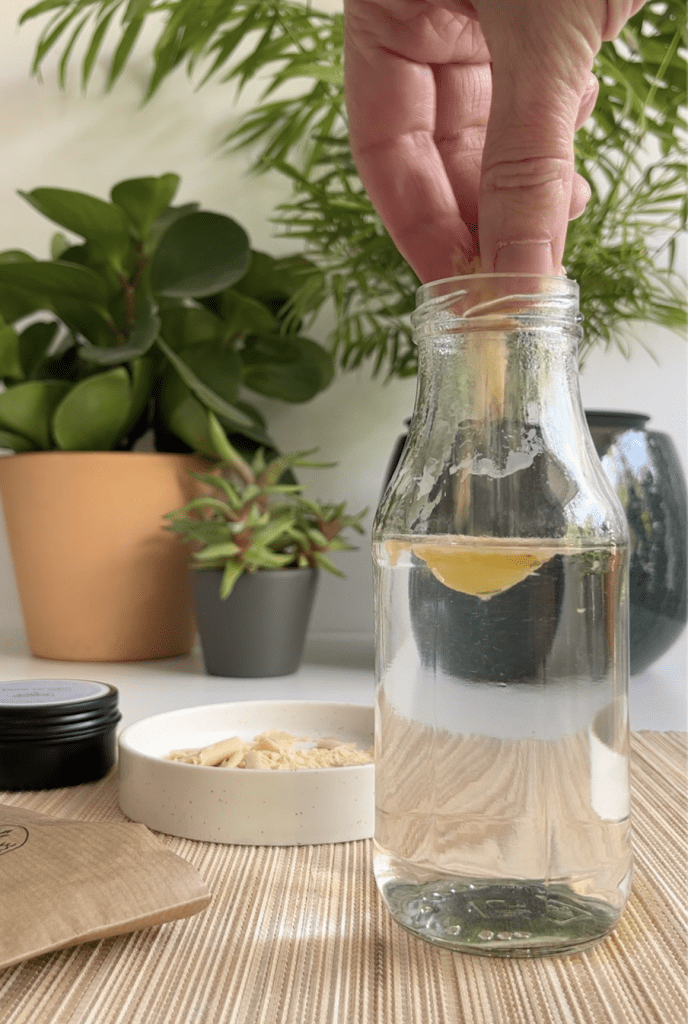
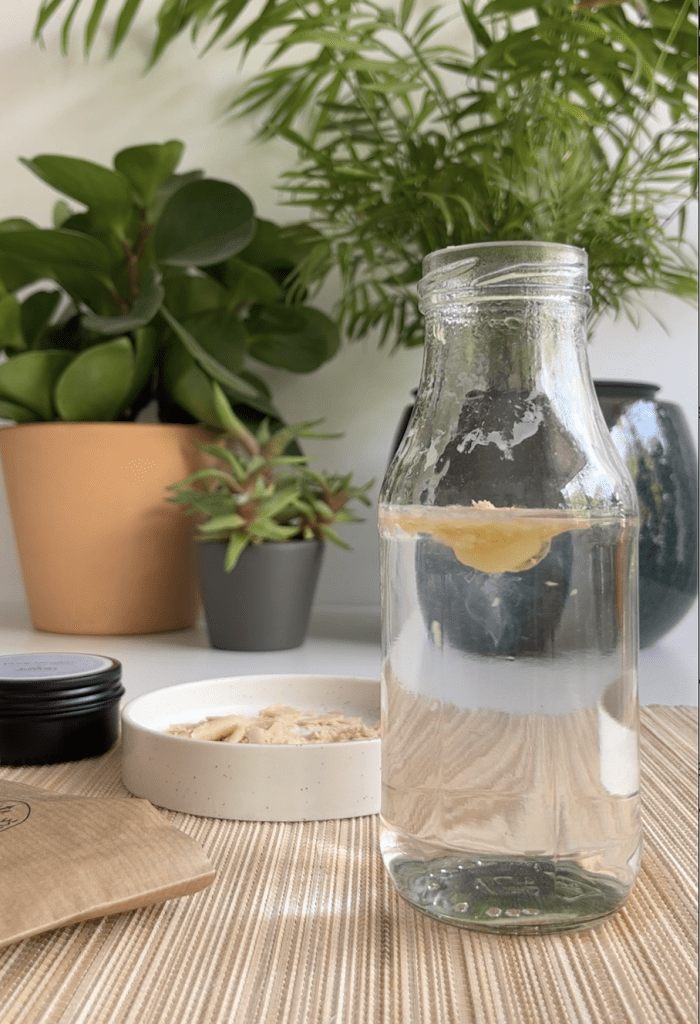
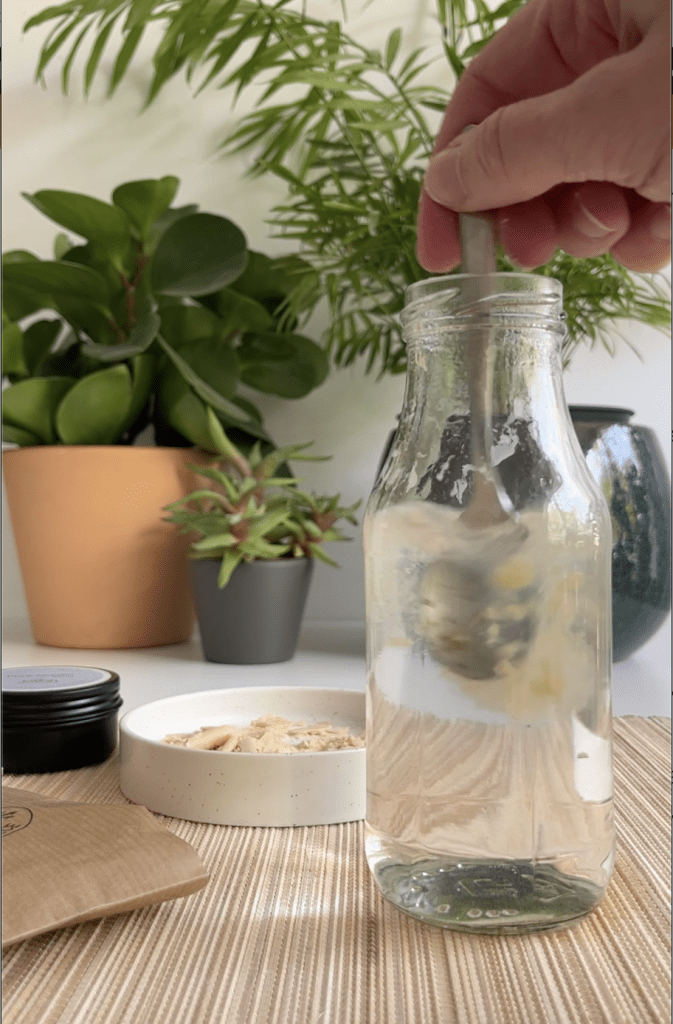
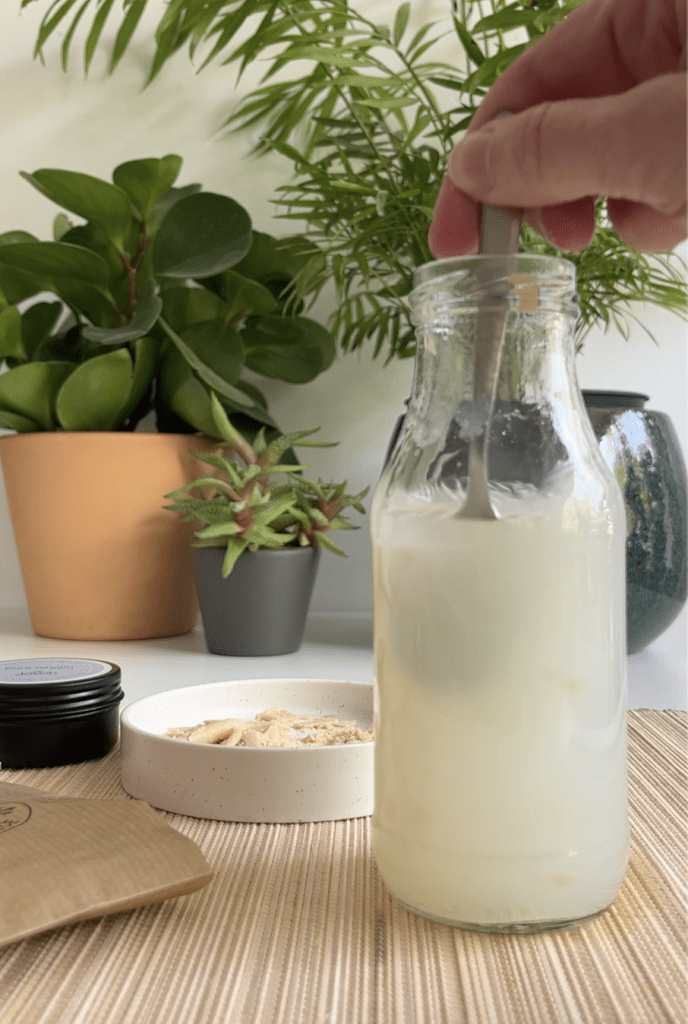
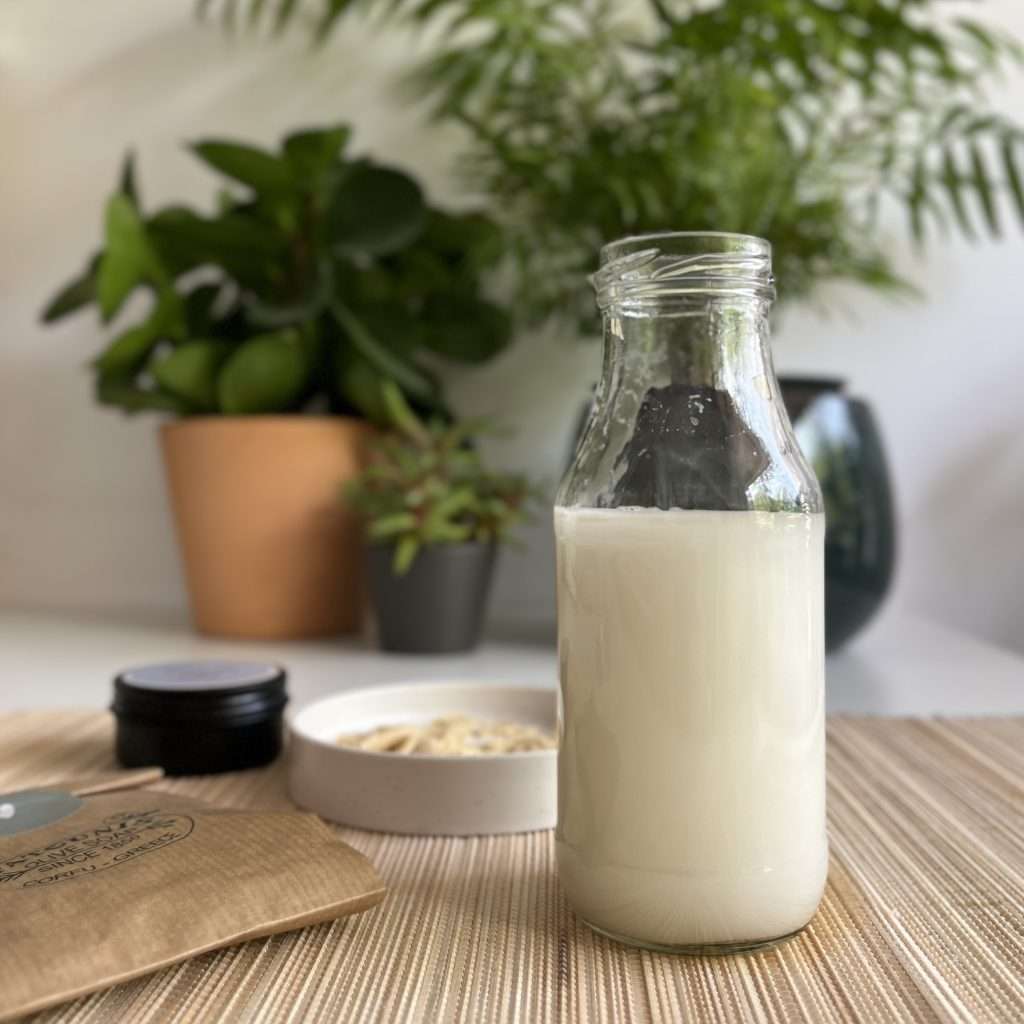
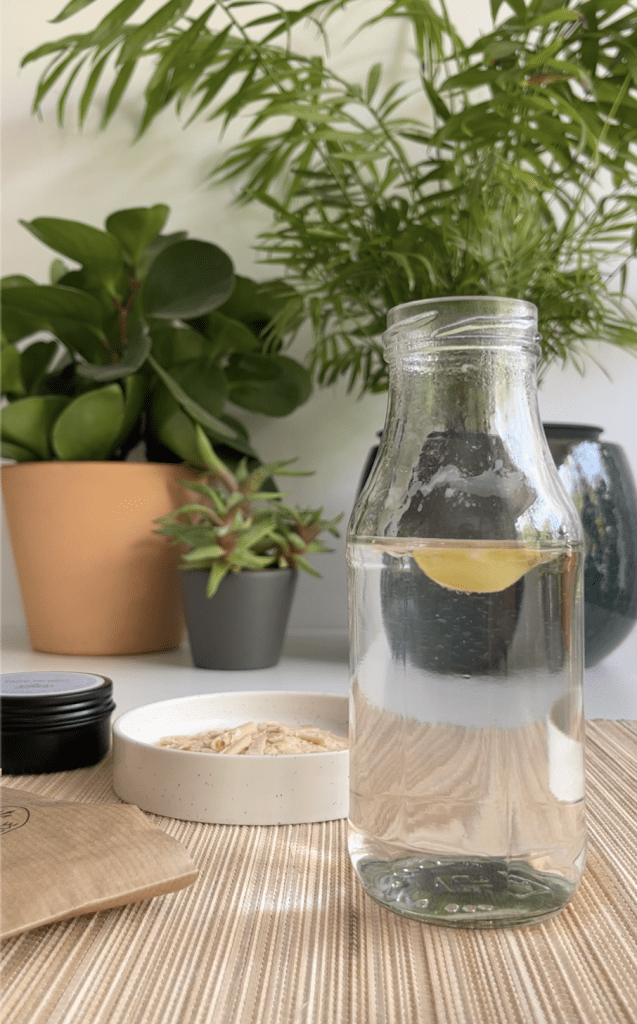
  • Put ½ teaspoon of lanolin per cover and a little green soap flakes, olive soap or a few drops of baby shampoo in a cup of boiling water.
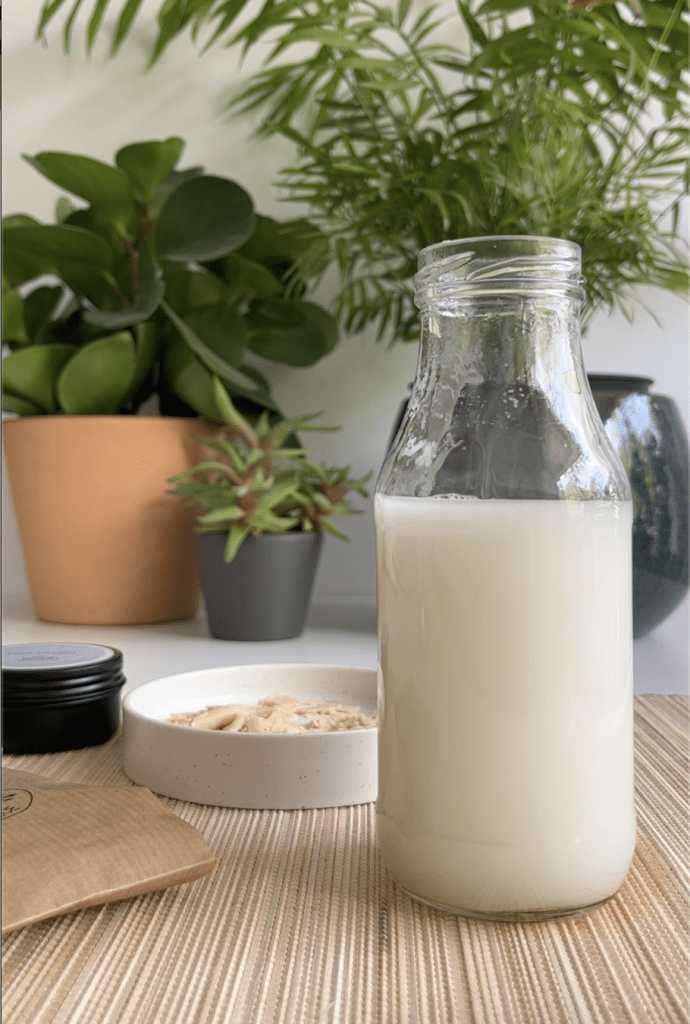
  • Stir just until a milky emulsion forms. No more fat droplets should be visible. If the fat droplets do not disappear, add a little more emulsifier.
  • Fill a bucket or large bowl with lukewarm water (about 2 litres) and pour in the emulsion.
Greasing the wool cover
  • Put the cover with the wool facing down in the bucket or bowl. Make sure the covers are completely submerged in water (if necessary, you can put a plate on top of the pants).
  • Leave the covers in the lanolin bath for at least 3 hours. You can also soak the covers in the lanolin bath overnight.
Rinse and dry the wool covers
  • After the wool covers have soaked long enough, remove them from the lanolin bath. To remove excess fat (lanolin) on the outside of the covers, you can rinse them with water at the same temperature as the lanolin bath. Don’t worry: using only water will not rinse out the lanolin.
  • Gently squeeze the water out of the wool covers and place them on a towel. Roll up the towel and stand on it. Then kick or dance a little on the towel so that the moisture from the wool soaks into the towel. Then lay the covers lying down to dry on a washing rack (not in the bright sun!).
Tips for greasing wool covers
  • Store the remaining lanolin emulsion in a bottle. This is ideal for new covers, as they are often not fully water-repellent after the first treatment with lanolin. You can then pour the lanolin emulsion over the covers again so you don’t have to make a new lanolin bath each time.
  • A wool cover that has just been treated with lanolin usually feels a little greasy. This is not a bad thing and even caring for baby’s skin. In fact, many care products contain lanolin! We have never experienced stains on clothes and recommend rinsing the wool pants with water after greasing and then letting them dry well.

Sources

How to keep the wool cover clean: Tips for managing baby poop

If you’re considering using wool nappies for your little one, you’re likely aware of the many benefits they offer. They’re breathable, eco-friendly, and naturally antibacterial. However, they can be a bit tricky to keep clean when your baby’s faeces is still very liquid – whether it’s meconium in the early days or the liquid breastfeeding or formula baby poop that follows. Both types of stool can easily soil the wool, making it essential to protect your covers from contamination.

But don’t worry, we’re going to walk you through a few options to help keep your nappies as clean as possible. And of course we also have a few tips how to clean the wool effectively in case something goes wrong.


Choosing the right inserts and wool cover

When it comes to keeping liquid baby poop away from your wool covers, there are three main types of absorbent inserts to choose from: loose absorbent inserts, nappies wrapped directly around your baby, or so called fitted nappies. All strategies work well and you can tailor them to your baby’s needs. Let’s break down each option and explore how to use them.

But before we do that, a few words about the wool cover itself. A well-fitting wool cover is essential, no matter if you use loose inserts or fitted nappies. If the wool nappy isn’t snug enough, the stool can leak out the sides or back. Make sure the wool cover fits comfortably around the waist and legs, creating a good seal.

Using loose absorbent inserts

If you’re using loose absorbent inserts, the proper choice of inserts, and placement in the wool cover is key to preventing liquid baby poop from reaching it. Here’s how you can use the inserts to keep things neat:

1. Inserts suitable for newborns and infants

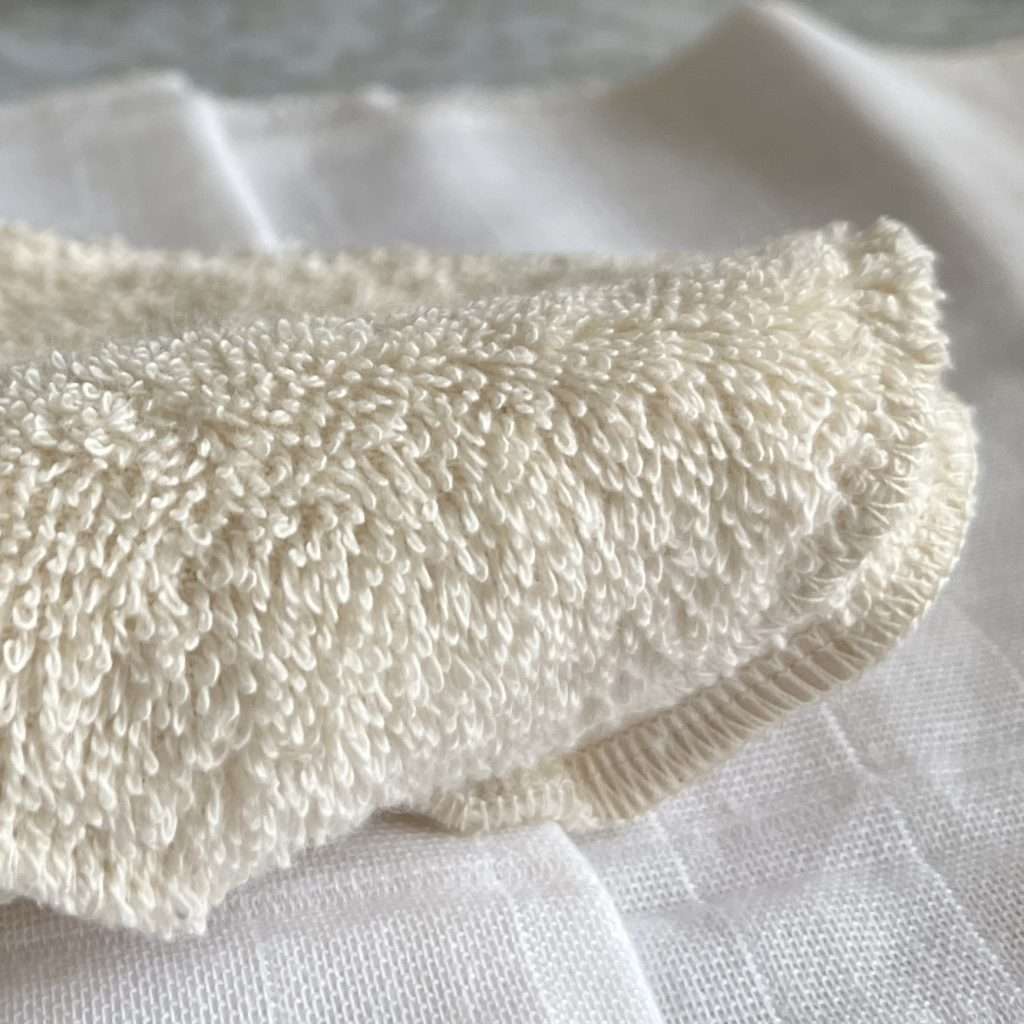
When the stool is still liquid, a high pile absorbent insert is best. The high pile structure ensures that the insert better retains the stool on its surface. Smooth fabrics allow faeces to flow more easily over the insert and onto the wool. Foldable inserts (so-called flats) made of terry cloth are particularly suitable because they protect the wool over the entire width.

You can also use a muslin nappy, fold it, and place it directly into the wool cover. Place a cotton liner on top in direct contact with the child. The liner is basically a narrow piece of terry cloth that has the same properties as the flat. Namely that the high-pile structure holds back liquid faeces better.

2. How to place the insert inside the wool cover

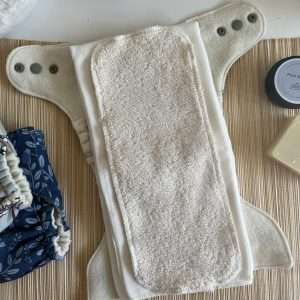
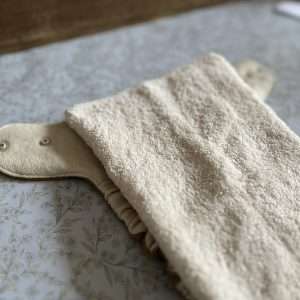
To keep the wool cover clean, fold the flat and place it inside the wool cover before wrapping the nappy around your baby. Make sure the flat (cotton flat or muslin nappy) reaches all the way to the leg and back elastic of the wool cover, so there’s no gap. When the baby has the nappy on, push the insert back a little if necessary, under the elastic band. Make sure that the cover nicely covers the fabric.

3. More frequent nappy changes are crucial

If the child moves a lot, the absorbent insert slides into the centre of the nappy by itself and the distance to the leg cuffs increases. This results in a greater risk of the wool being soiled. Furthermore, with newborns, urine tends to be frequent. If the inserts become too wet, there is a greater chance of liquid faeces spilling over and getting onto the wool cover. Regular nappy changes will help prevent that.

Wrapping a nappy around the baby

If you’d rather not use loose absorbent inserts, wrapping a muslin nappy or cotton flat directly around your baby can also do a great job of keeping liquid baby poop away from your wool cover. Here’s how to make it work:

1. Muslin nappy in triangle fold

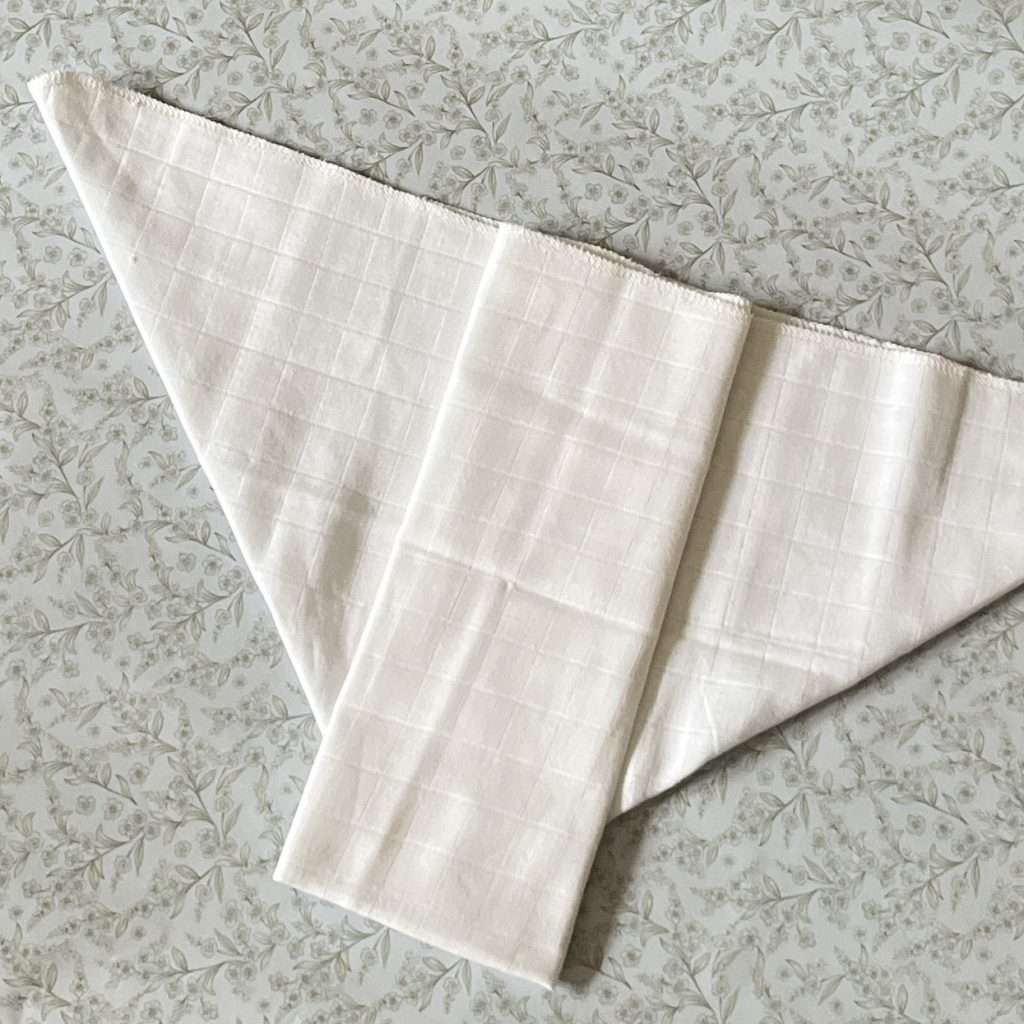
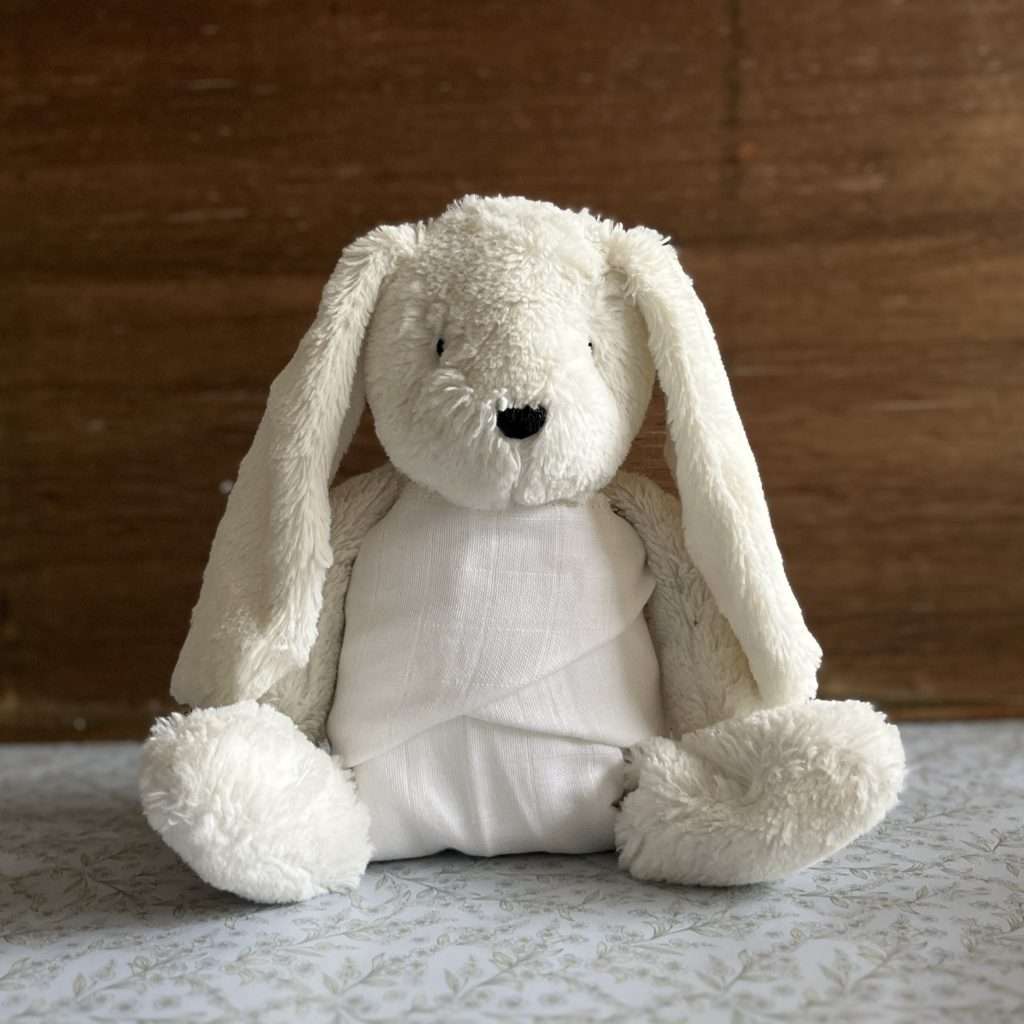
Muslin nappies are incredibly versatile and can be folded e.g., in a triangle fold to create a snug fit around your baby’s bottom. This fold helps to contain the liquid stool and prevent leaks, even if the stool is especially runny. The folding technique itself is designed to hold the stool inside the nappy, with the wool cover acting as a backup barrier. However, an even more secure option is to place a cotton liner insight the muslin nappy to utilise the advantageous properties of the high-pile structure. In addition, the fringes can be rolled up at the sides. This results in a kind of deepening that can hold the liquid baby poop even better inside the nappy.

2. Cotton flat as a nappy wrap

If you prefer something simple, a cotton flat made of terrycloth is another great option. Wrap it around your baby and secure it with a nappy fastener. The cotton flat offers solid absorbency, and as long as the wool cover fits snugly, it will keep any leaks contained. This method is especially useful for parents who want a minimalist approach without additional pre-folding of e.g., a muslin cloth.

However, this method is only suitable for newborn babies as the flat is not large enough to wrap around older babies.

The use of a fitted nappy

A fitted nappy is a cloth nappy with elasticised legs and waist, and adjustable fastenings, designed to offer a snug, secure fit. Its elasticised edges provide superior leak protection, ensuring that the baby’s poop stays insight the nappy.

To use fitted nappies, simply lay the nappy flat and place it under your baby. Fasten the nappy with the built-in snaps or Velcro, ensuring a snug fit around the waist and legs to prevent leaks. The elastic edges should sit comfortably without being too tight.


Oops, wool got dirty! Here’s how to clean and freshen it up

What if the wool gets dirty? Fortunately, breastfeeding and formula baby poop is water-soluble and can be easily removed if the wool does become soiled. Wash the wool immediately under running lukewarm water, using wool washing soap if necessary. The soap contains lanolin and washes and greases the wool at the same time. For more information on how to use the soap, see “All you need to know about lanolin soap“. This will get your nappy cover ready to use again quickly.

Discolouration that does not disappear even after thorough washing can also be treated with a simple trick. Here we utilise the bleaching power of the sun. It can work wonders and lighten stains that cannot be removed with soap. Place the wool nappy and/or insert in the sun with the soiled side up and leave it there for a few hours. Just be careful with the wool in midsummer when the sun is very strong. Of course, discolouration is not nice to look at, but the wool is clean and can be used. A little like fruit stains on clothing.


Conclusion: Protecting wool nappies from baby poop

In conclusion, while wool nappies can be a bit tricky when dealing with liquid baby poop, the right strategies make all the difference. Whether you’re using loose absorbent inserts, muslin folds, or fitted nappies, ensuring a snug fit and frequent changes will keep your wool covers protected. And don’t forget, when things get messy, a little bit of care and sunshine can restore your wool nappies to their best condition. With a bit of practice, you’ll find the routine that works for both you and your baby, keeping your wool nappies clean, functional, and ready for the next use.


Getting started with wool nappies: essential tips for new parents

If you’re thinking about using wool nappies for your baby, you’re in for something special. Wool is a natural, breathable, and eco-friendly material. For centuries, people have used wool for baby care, and it’s gaining popularity once again. However, using wool nappies does require a bit of a learning curve. We’ll provide you with all information you need, from choosing the right products to proper care and maintenance.

Before diving into the how-to, let’s quickly explore why wool is an excellent choice for cloth diapering. Wool is absorbent, soft, and naturally antimicrobial. It can absorb a significant amount of moisture before it starts feeling wet, which can help keep your baby’s skin dry. Wool is also breathable, helping to regulate temperature and reduce the risk of diaper rashes. Additionally, wool is a renewable resource and biodegradable, making it an environmentally friendly option. 


The wool nappy cover

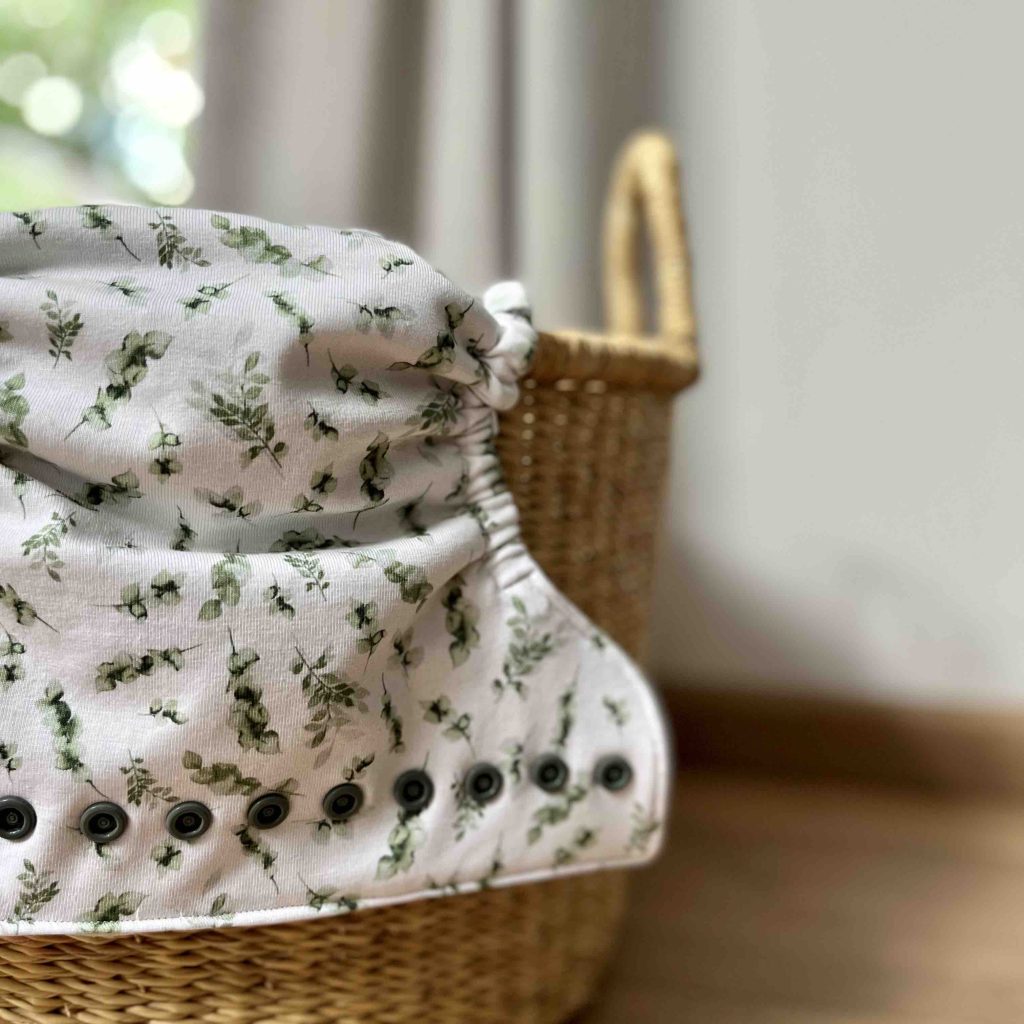
The most essential item you’ll need is the wool nappy cover. One wears wool covers over a regular absorbing cloth (whether fitted, prefolds, or flats) to provide waterproofing and added absorbency. Wool naturally repels moisture, making it an excellent barrier to leaks. Wool cover come in a variety of styles: Overpants (pulled-up like a pant), knitted nappy (folded around the child and secured with a ribbon), and wrap/cover (closes with snaps or velcro).

How many covers do you need? 

You’ll probably want at least 3 to 5 wool covers to rotate through. Wool can be reused multiple times as long as it isn’t soiled, so having a few on hand will make sure you’re never caught without one. This means that in principle you can get along with just 3 covers. Don’t forget to wash them immediately if dirty. One to two extra covers therefore give a little flexibility.

Wool cover
Baby | Rent your wool nappy
Wool cover

The absorbing material 

Flats, prefolds, and fitted nappies work beautifully with wool covers, offering distinct benefits depending on your needs.

Flats and prefolds are larger pieces of fabric. They offer exceptional flexibility, allowing you to tailor the fit and absorbency to your baby’s specific needs. With a variety of folding techniques, you can adjust the layers for targeted coverage, making them ideal for different ages, sizes, and activities. Paired with a wool cover, they provide moisture control and breathability, ensuring your baby stays comfortable. This adaptable nature makes flats and prefolds a great choice for parents who want a customizable, hands-on approach to cloth diapering.

Fitted Nappies feature elasticated legs and waistbands, providing a secure, leak-proof fit. Their snug design ensures effective moisture retention, and paired with a wool cover, they offer reliable protection and comfort, especially for overnight use or long periods.

How many absorbing inserts do you need?

The number of absorbing inserts you need for wool nappies depends on a few factors, such as your baby’s age, the absorbency of the inserts, and how often you plan to change the nappy. However, a general guideline is:

Newborns tend to pee more frequently, so you may need around 8–10 absorbent inserts per day. Use the wool cover several time, unless soiled. As babies grow and their bladder capacity increases, you might only need around 6–8 inserts per day. You may also be able to use thicker, more absorbent inserts, especially for overnight use.

For overnight use, you’ll likely need a more absorbent insert or a combination of inserts to ensure it lasts through the night. Some parents use a booster or an extra layer of absorbency, especially if the baby tends to sleep for longer periods.

In total, having about 25–30 inserts is typically sufficient to rotate through for washing and reusing. This allows for frequent changes and ensures you always have a dry, absorbent nappy on hand.

Wool nappies | Inserts | Cotton flat
Prefold Lottje | Absorbing insert

Wool care

Maintenance of the natural water-repellent barrier

Wool naturally repels moisture. However, you should treat the wool with lanolin (the waxy substance found in wool) from time to time for optimum performance. Lanolin creates a barrier on the wool fibers, enhancing its water resistance and keeping your baby dry. How to lanolize your wool covers: You can either buy a lanolinizing solution or make your own by diluting pure lanolin in hot water. This needs to be done every few weeks, or whenever you feel the wool cover losing its waterproofing.

How to wash and dry wool

You don’t need to wash wool covers after every use unless they’re soiled. In fact, wool should be washed as little as possible to preserve its natural oils. Wool requires special care to maintain its softness and effectiveness. Regular laundry detergents can strip the natural lanolin from the fibers, reducing their water-resistance and softness. To protect your wool covers, use a wool-friendly detergent or a mild olive oil-based soap. After washing, you can also re-lanolize your wool to restore its moisture-wicking and protective properties. Always wash with lukewarm water and air dry to avoid shrinking or damage. Proper care ensures your wool covers stay soft, breathable, and effective.

You can find out more about the washing routine on our blog (with focus on general wool cleaning) and under ‘simple laundry’ (with a focus on the causes and washing options).

What wool care products do you need?

To properly care for your wool nappies, you’ll need a few essential products. First, a mild, wool-friendly detergent or olive oil-based soap is important for cleaning without damaging the fibers. You’ll also need a lanolinizing solution to reapply lanolin, which enhances wool’s water resistance. You may also consider using a wool washing soap with lanolin. This type of soap is specially designed to clean wool while preserving its natural oils. The lanolin helps to restore wool’s water-resistant properties, keeping your covers soft and effective.

At Jovoh we have all the essential products to care for your woollen nappies: From mild olive soap to pure lanolin and wonderful wool washing soap.

Olive soap
Washing wool
Care of wool nappies: Lanolin soap Jovoh

Conclusion

Wool nappies are a natural, comfy, and effective alternative to regular diapers. With just a little extra care, they can work wonders, keeping your baby’s skin happy. Once you’ve got the essentials – wool covers, absorbent inserts, lanolin solution, wool wash, and a drying spot – and follow a simple care routine, you’ll be well on your way to making wool nappying a success for you and your little one.


Additional information

You can also find further information on this topic in two other articles:


Sources:

The different nappy systems: Wasbareluierwereld.nl

Homemade baby wipe solution: simple, gentle, and effective

Making your own baby wipe solution is a fantastic way to keep your little one’s skin clean and hydrated without relying on harsh chemicals. Plus, it’s an eco-friendly alternative that saves you money and reduces waste. The key to a great homemade solution is to balance moisture with gentleness. In the following we will talk about how to store and use the wipes, how to make a simple but healthy solution (to be precise, it is not a solution because fat is not soluble in water. Emulsion would be the right word here), as well as the characteristics of the different carrier oils.

Instead of storing the wipes in a wet solution, it is best to store them dry and use a spray bottle for the solution. Below we briefly describe why dry storing is better than wet.


Why it is better to store wipes in a dry environment

Prevents mold and bacteria growth. When cloth wipes are stored wet or damp for extended periods, they can become breeding grounds for bacteria, mold, or mildew. This is particularly true if you’re storing a batch of wipes in a closed container. A wet environment encourages these harmful microorganisms to thrive, potentially irritating your baby’s skin or causing infections. On the contrary, a spray bottle is more hygienic because it reduces exposure to contaminants. Wet wipes stored in a container may be exposed to air every time they’re accessed, which can introduce germs. A spray bottle limits the number of times the solution is exposed to the air, keeping it cleaner.

Maintains Freshness and Flexibility. Storing wipes while they’re wet can cause them to become overly saturated, resulting in less effective cleaning and an uncomfortable experience for your baby. Using a spray bottle lets you control the amount of solution applied, keeping the wipes moist without making them too soggy. In addition, you can adjust the amount of solution on each wipe based on your baby’s needs.


Simple but effective receipt for a baby wipe solution

Here’s a simple recipe to create a natural, baby-safe wipe solution that’s both effective and gentle on your baby’s delicate skin.

Ingredients:

  • Clean spray bottle
  • 100 ml boiled water
  • At least 10 drops or 1/2 teaspoon of a carrier oil
  • Eventually an extra bowl

Of course, you can also add more or less oil to the water. Below we describe a number of sensitive carrier oils that are suitable for babies. Please remember to test the oil on a small area of skin before using it for the first time.

Make the baby wipe solution:

  • In a spray bottle, combine the boiled water and carrier oil (e.g., almond oil or argan oil). The oil won’t fully mix with water, so you may need to stir or shake it before each use.
  • If you are using a solid oil (such as coconut oil), dissolve it in warm water in a separate bowl and pour the solution into the spray bottle.
  • Store the solution in a cool place.

Instructions for using the baby wipes:

  1. Prepare the wipes and optionally toilet paper:
    • Stack your dry reusable baby wipes in a clean box accessible on the changing table. You may also want to consider putting regular toilet paper next to the wipes. If your baby has pooped, you can wipe up most of it with the toilet paper before using the wipes, so less faeces end up in the wet bag.
  2. Use the spray bottle:
    • When you’re ready to use a wipe, spray the solution directly onto the cloth wipe until it’s damp (not soaking wet). Wipe your baby as needed and discard the used wipe for washing. You can also spray the baby wipe solution directly on the baby’s skin.
  3. Store and clean the wipes:
    • After each use, toss the wipes in the wet bag together with the cloth nappy inserts. Wash them with a regular but mild detergent in the washing machine at 60°C.

Carrier oils and their effect on sensitive skin

Almonds

Sweet almond oil

Sweet almond oil is rich in fatty acids (particularly oleic acid), which help to keep the skin hydrated and soft. It forms a barrier on the skin that helps prevent moisture loss, making it especially useful for babies with dry or sensitive skin. Sweet almond oil further contains compounds such as linoleic acid that exhibit anti-inflammatory effects. This helps to soothe irritated skin and conditions like eczema. It can be helpful in treating diaper rash or other mild skin conditions. Furthermore, Vitamin E, a key component of almond oil, is known for its wound-healing properties and its ability to minimize scarring.

Coconut oil

Coconut oil, particularly virgin or organic coconut oil, is widely known for its multiple benefits for skin care, and it is often used for babies due to its natural, gentle, and nourishing properties. The oil is rich in medium-chain fatty acids (like lauric acid) that help to deeply hydrate the skin. It forms a barrier on the skin’s surface to lock in moisture, preventing dehydration and dryness. Coconut oil is considered hypoallergenic, meaning it is unlikely to cause allergic reactions, but testing is recommended for first-time users.

Coconuts
Calendula oil for baby wipe solution

Calendula oil

Calendula oil, derived from the marigold flower, is renowned for its calming and healing effects on the skin. It is particularly well-suited for sensitive skin due to its gentle nature. Calendula has powerful anti-inflammatory and antimicrobial properties, making it effective in treating skin conditions such as eczema and rashes. The oil can help accelerate the healing of damaged skin and provide relief from irritation, redness, and itching. Calendula oil is a mild and safe option for most individuals, even those with highly sensitive skin, but as with any natural product, a test is recommended to avoid potential allergic reactions, especially if you have a sensitivity to plants in the daisy family.

Olive oil

Olive oil is a well-known natural oil that has been used for centuries for its moisturizing and healing properties. Its high content of fatty acids makes it an excellent emollient, providing deep hydration and helping to lock in moisture. Olive oil also has anti-inflammatory properties, which can be beneficial for soothing irritated or inflamed skin. While generally safe for most people, those with sensitive skin should conduct a test to ensure it does not cause irritation.

Olive oil is probably the cheapest option and and an ingredient that is present in most kitchens.

Olive oil for baby wipe solution
Argan oil for baby wipe solution

Argan oil

Argan oil is a natural oil derived from the nuts of the Argania spinosa tree, native to Morocco. It is a highly suitable option for baby skincare due to its gentle, nourishing properties. It is mild and hypoallergenic, which makes it less likely to cause irritation or allergic reactions on a baby’s sensitive skin.

The oil is rich in essential fatty acids and vitamin E, which help hydrate and lock in moisture. Baby skin, being more delicate and prone to dryness, benefits from argan oil’s ability to provide deep hydration without feeling greasy. This is essential for preventing dry, flaky skin or discomfort. Additionally, vitamin E and antioxidants in argan oil help protect the skin from environmental stressors, such as cold air or irritation, and promote healing of minor skin issues like diaper rash.


A fine selection to make your own baby wipes

At Jovoh we have a small but fine selection of all the things you need to prepare your own baby wipes at home: Carrier oils (sweet almond oil, argan oil, and coconut oil) suitable for baby’s sensitive skin, a handy spray bottle and lovely gentle baby wipes made from organic cotton.


Sources:

Blaak, J., Staib, P. (2022): An updated review on efficacy and benefits of sweet almond, evening primrose and jojoba oils in skin care applications. International Journal of Cosmetic Science, 44, 1–9. doi: 10.1111/ics.12758

Lin T.-K., Zhong L., Santiago J. L. (2018):  Anti-inflammatory and skin barrier repair effects of topical application of some plant oils. International Journal of Molecular Sciences 19, p. 70. doi: 10.3390/ijms19010070

Salama, P., Gliksberg, A., Cohen, M., Tzafrir, I., and Ziklo, N. (2021): Why Are Wet Wipes So Difficult to Preserve? Understanding the Intrinsic Causes. Cosmetics 8 (3), 73. doi: 10.3390/cosmetics8030073

Umate, N., Kuchewar, V., and Parwe, S. (2022): A narrative review on use of virgin coconut oil in dermatology, Journal of Indian System of Medicine, 10, 86-89. doi: 10.4103/jism.jism_34_22

Varma, S., O Sivaprakasam, T., Arumugam, I., Dilip, N., Raghutaman, M., Pavan., K.B., Rafiq, M., Pramesh, R. (2018): In vitro anti-inflammatory and skin protective properties of Virgin coconut oil. Journal of Traditional Complement Medicine, 9 (1), pp. 5-14. doi: 10.1016/j.jtcme.2017.06.012